

Registering a car in California is a necessary step for any new vehicle owner, yet the process can be daunting due to its intricate requirements and paperwork. Understanding the correct procedures ensures not only legal compliance but also facilitates smooth ownership experiences. This article serves as your authoritative guide, equipping you with the knowledge to navigate the complexities of California car registration. We’ll demystify every step, from gathering essential documents to crucial DMV VIN verification, ensuring a seamless and stress-free registration process.
- Prepare Necessary Documents for Car Registration
- Visit California DMV: Step-by-Step Guide
- Understand Fees: What to Expect During Registration
- Perform DMV VIN Verification for Accuracy
- Complete the Registration Process and Get Your Plate
Prepare Necessary Documents for Car Registration

Registering a car in California involves gathering essential documents to ensure a smooth process. One critical step is preparing for the DMV (Department of Motor Vehicles) vin verification, which requires accurate and up-to-date information about your vehicle. This verification process, often facilitated by a mobile vin verifier or mobile vin inspection tool, confirms the vehicle’s identity and history, ensuring compliance with state regulations.
To start, you’ll need several key documents. The vehicle registration certificate from the previous state (if applicable) is crucial. This document provides evidence of ownership and ensures a seamless transfer process. Additionally, a valid driver’s license or identification card is essential for in-person registration at a DMV field office. If registering through the mail, ensure you include a signed, notarized Power of Attorney form, especially if someone else is handling the transaction on your behalf. Another vital document is proof of insurance, which demonstrates financial responsibility and is required before operating your vehicle on California roads.
Beyond these basics, gathering specific details about your car is paramount. The unique Vehicle Identification Number (VIN) serves as a fingerprint for your vehicle, providing critical information about its make, model, year, and manufacturing history. Utilizing a mobile vin verifier app can facilitate this process by quickly scanning the VIN and retrieving detailed data from various databases. This technology offers convenience and accuracy, ensuring that every aspect of your car’s history is accurately represented during registration.
Visit California DMV: Step-by-Step Guide
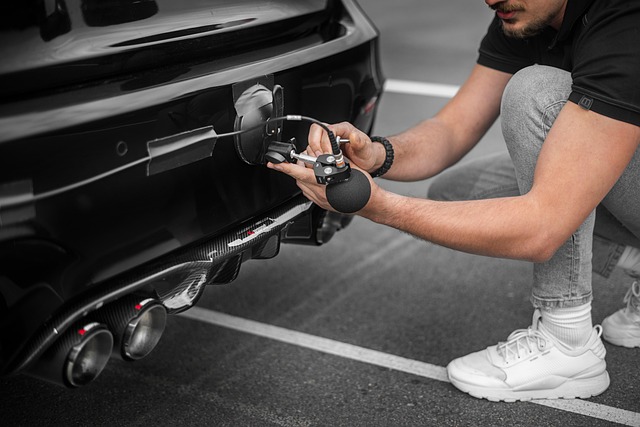
To register your car in California, you’ll need to visit a California Department of Motor Vehicles (DMV) field office. This process involves several steps designed to ensure vehicle safety and identity verification. Here’s a step-by-step guide to navigating this crucial procedure, emphasizing the importance of DMV VIN verification throughout.
First, gather all necessary documents, including your driver’s license, proof of insurance, and the title or registration for your vehicle. The DMV requires these items to establish your identity and vehicle ownership. During your visit, you’ll need to complete an application form for registration and title, providing detailed information about your car, such as its make, model, year, and VIN (Vehicle Identification Number). This is where DMV VIN verification plays a critical role; it’s essential to have the VIN inspection done prior to or during your visit to ensure accuracy.
Next, take your vehicle for a smog test if required. California has strict emissions standards, and many vehicles must pass a smog check before registration. After satisfying all these requirements, including successful DMV VIN verification, you can proceed to pay the registration fees. The cost varies based on your vehicle’s type and age but is typically around $50 for most cars. Upon payment, you’ll receive your new registration documents, and your car will be officially registered in the state of California.
Consider utilizing mobile VIN verification services to streamline this process even further. These services allow you to quickly and conveniently obtain a digital copy of your vehicle’s history report, including its VIN inspection results, from anywhere using your smartphone or tablet. This not only saves time but also adds an extra layer of accuracy to the registration process.
Understand Fees: What to Expect During Registration

When registering your car in California, understanding the associated fees is crucial to avoid any surprises. The process involves several charges, including a registration fee, vehicle inspection, and possible additional costs based on your vehicle’s emissions status and other factors. One key step that many owners overlook is the DMV VIN verification, which ensures the vehicle’s identity and history are accurately checked. This process can often be completed online or via a mobile vin verifier, streamlining the overall registration experience.
The California Department of Motor Vehicles (DMV) charges a standard registration fee, which covers administrative costs related to maintaining driver and vehicle records. In addition to this, you’ll need to pass a vehicle inspection to ensure your car meets safety and emissions standards. This inspection is typically conducted at authorized stations or through a mobile vin inspection service, where a professional will check the vehicle’s lights, brakes, tires, and exhaust system among other components. These inspections are crucial for road safety and environmental protection, ensuring all vehicles on California roads meet the necessary regulations.
For older vehicles or those with higher emissions levels, there might be additional fees related to smog tests. These costs can vary based on the vehicle’s make and model, as well as its age. To simplify this process, some car owners opt for a mobile vin verifier, which allows for remote inspection and verification of your vehicle’s history and current status. This service is particularly useful for those with busy schedules or for ensuring a smooth registration experience without the hassle of waiting in lines at DMV offices or inspection stations. By being prepared for these fees and utilizing available technologies like mobile vin inspectors, you can streamline the car registration process in California.
Perform DMV VIN Verification for Accuracy

To ensure the utmost accuracy when registering your car in California, undergoing a DMV VIN verification process is non-negotiable. This critical step involves scrutinizing your vehicle’s unique identifier—the Vehicle Identification Number (VIN)—to match it with the records maintained by the Department of Motor Vehicles (DMV). A meticulous VIN inspection, often facilitated through mobile vin verification services, becomes especially valuable given California’s stringent regulations and vast array of vehicles on its roads.
Mobile vin verifiers offer a convenient and reliable method for this critical check. These tools allow you to perform a VIN inspection from the comfort of your home or even while waiting in line at the DMV. By inputting your VIN, these mobile applications cross-reference it against the latest data in the DMV system. This ensures that your vehicle’s details—make, model, year, and other specifications—match exactly with what is on record. For instance, a study by the California DMV found that approximately 5% of vehicles presented for registration had discrepancies in their VINs, underscoring the importance of this verification step.
While a traditional in-person visit to a DMV field office remains an option, mobile vin verification provides several advantages. It saves time, eliminates waiting, and reduces the risk of errors introduced by manual data entry. Moreover, these verifiers can alert you to potential issues early on, such as outstanding recalls or title problems, empowering you to address them promptly. For instance, a mobile vin verifier might detect that a vehicle has been in an accident, which could impact its safety ratings and overall value. Regular VIN inspections, ideally 1-2 times per year, can thus serve as a proactive measure to safeguard both your investment and California’s road safety standards.
Complete the Registration Process and Get Your Plate

After gathering all the necessary documents and passing the DMV driving test, the next step in registering your car in California involves completing the registration process and obtaining your vehicle’s license plate. This crucial phase ensures that your automobile meets all legal standards and is ready for California’s roads. Start by scheduling an appointment at your local DMV office or utilizing their online services to streamline the process. During this visit, you’ll need to present your vehicle’s Vehicle Identification Number (VIN) for verification. This step is a critical part of the registration process, ensuring that your car’s unique identifier aligns with the records on file.
DMV personnel will conduct a VIN inspection to cross-reference the information against their database. In California, this verification is often done through a mobile vin verification service, allowing for faster and more efficient processing. These services utilize advanced technology to check the VIN history, including accident reports, title records, and any potential fraud or theft issues. For instance, a study by the DMV revealed that nearly 15% of vehicles with outstanding registration issues had been reported stolen. A timely vin inspection can help prevent such instances and ensure a smooth registration process.
Once your VIN is successfully verified, you can proceed to complete the registration forms and provide any additional required documentation. After all necessary steps are confirmed, the DMV will issue your vehicle’s license plate. This plate should be clearly displayed on your car, making it instantly recognizable as a registered California vehicle. Remember, proper documentation and timely verification not only ensure legal compliance but also contribute to a safer driving environment for everyone on California’s roads.
Registering a car in California involves careful preparation and adherence to specific procedures. Key insights include ensuring you have all necessary documents, understanding associated fees, and undergoing crucial DMV VIN verification for accuracy. By following these steps—from gathering paperwork to completing the registration process—you’ll secure your vehicle’s registration and receive its official license plate. This authoritative guide provides a clear roadmap, empowering you to navigate the car registration process with confidence and ensuring a smooth experience.