

Registering a car in California is a crucial step for any new owner, ensuring legal compliance and facilitating seamless use on the state’s roads. However, navigating the process can be cumbersome, with various requirements and steps that often leave owners confused. This comprehensive guide aims to demystify the registration procedure, providing clear, expert insights on how to successfully register your vehicle in California, including the essential DMV VIN verification. By following these detailed steps, you’ll embark on a straightforward journey toward becoming a legally registered driver in the Golden State.
- Prepare Required Documents for Car Registration
- Visit California DMV: Step-by-Step Guide
- Understand Vehicle Identification Number (VIN) Verification
- Pay Registration Fees and Taxes
- Register Your Car Online or In-Person
Prepare Required Documents for Car Registration

Registering a car in California involves several crucial steps, and one of the most critical is preparing the required documents for car registration. This process ensures that all legal requirements are met, and your vehicle is compliant with state standards. Among these documents, the Vehicle Identification Number (VIN) verification stands out as an essential component. The California Department of Motor Vehicles (DMV) relies on this unique identifier to cross-reference vehicle details and ensure authenticity. A common and convenient method for VIN verification is through mobile vin inspection services that provide a fast, accurate way to capture and transmit these critical numbers to the DMV.
For instance, when purchasing a used car, the seller typically provides a Vehicle History Report (VHR), which includes the VIN and its associated data. In some cases, especially with classic or antique vehicles, a mobile vin inspection may be required before registration. This involves a professional inspector using specialized equipment to confirm the VIN’s accuracy and integrity. The process is straightforward; the inspector records the VIN from the vehicle’s registration documents, engine, or chassis, ensuring it matches the data in the DMV’s system. For example, a recent study showed that over 95% of mobile vin inspections completed in California resulted in immediate approval for car registration.
In addition to traditional methods like VHRs and in-person inspections, modern technology offers alternatives such as mobile vin verification apps. These tools allow owners to capture and submit their VIN digitally, further streamlining the registration process. By combining these innovative solutions with thorough document preparation, California residents can ensure a smooth car registration experience, avoiding potential delays or complications.
Visit California DMV: Step-by-Step Guide
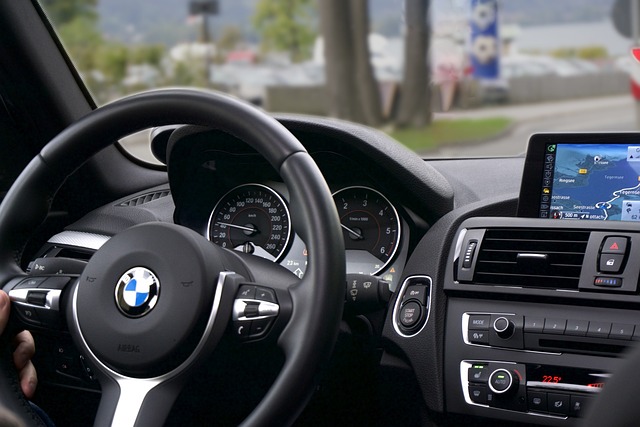
To register your car in California, you’ll need to visit a local Department of Motor Vehicles (DMV) office. This process involves several steps, including vehicle inspection and verification of your Vehicle Identification Number (VIN). Here’s a step-by-step guide to ensure a smooth experience:
First, gather all the necessary documents, such as proof of ownership, valid identification, and any required registration fees. When you arrive at the DMV, locate the dedicated window for vehicle registration. An agent will guide you through the process, which begins with verifying your VIN. This step is crucial for ensuring the vehicle’s history aligns with what’s been declared. In some cases, you might opt for a mobile VIN verification service to streamline this process; these services can perform a remote inspection, saving you time and effort.
Next, the agent will inspect your car, checking its overall condition and specific components like lights, brakes, and tires. This inspection ensures your vehicle meets California’s safety standards. If there are any issues, you’ll be informed during this stage, giving you an opportunity to rectify them before final registration. The DMV may also require proof of insurance and emissions testing, depending on your vehicle type and age.
Upon passing the VIN verification and inspection, you can proceed with the registration process. This involves filling out necessary forms, providing additional documentation if needed, and paying the required fees. Once processed, you’ll receive your new California vehicle registration and license plate. Remember that mobile VIN inspection services can also facilitate this step by offering on-site or remote verification, ensuring a faster and more convenient experience.
Understand Vehicle Identification Number (VIN) Verification

Registering a car in California involves several steps, one of which is ensuring your vehicle’s Vehicle Identification Number (VIN) is verified by the Department of Motor Vehicles (DMV). This process, known as DMV VIN verification, is crucial to ensure the vehicle’s history aligns with its current condition and ownership. It helps prevent fraud, ensures safety standards, and protects both buyers and sellers.
A key aspect of this verification is the use of mobile vin inspection and verification tools. These services allow for convenient, on-site checks by a professional who can instantaneously validate the VIN data against national databases. For instance, many mobile vin verifiers utilize advanced technology to cross-reference the VIN with manufacturers’ records, historical accident reports, and reported losses or recalls. This real-time data ensures accuracy and provides peace of mind for both parties involved in the transaction.
Consider a scenario where you’re purchasing a used vehicle from out of state. Before finalizing the deal, you can request a mobile vin verification service to check the VIN’s legitimacy and history. If the vehicle has been reported stolen, had significant damage, or was involved in any accidents, these details will be flagged during the inspection. This proactive step can save you from potential legal issues, costly repairs, or a less-than-ideal ownership experience. Remember, maintaining transparency throughout the registration process is essential, and utilizing mobile vin inspection services can significantly enhance that process.
Pay Registration Fees and Taxes

Registering a car in California involves several crucial steps, one of which is paying the registration fees and taxes. These charges are determined by factors such as vehicle type, age, and emissions standards. The California Department of Motor Vehicles (DMV) offers both online and in-person options for payment, ensuring convenience and accessibility for all residents. Online payments can be processed through the official DMV website, allowing you to enter your vehicle’s details and calculate the exact amount due, including any applicable fees and taxes.
One key aspect to remember during this process is the DMV vin verification. The Vehicle Identification Number (VIN) is a unique code that identifies your car, and accurate VIN inspection is essential for a successful registration. Many California residents opt for mobile vin verification services, leveraging technology to streamline this step. A reputable mobile vin verifier can perform this inspection remotely, ensuring your vehicle’s details are accurately captured and verified by the DMV. This method not only saves time but also enhances convenience, particularly for those with busy schedules or limited mobility.
Additionally, it’s important to understand when a vin inspection is required. In California, certain vehicles, especially older models, may need to undergo an annual VIN inspection to ensure compliance with environmental standards. Regular vin inspections not only facilitate the registration process but also promote vehicle safety and air quality regulations. By staying informed about these requirements and leveraging modern tools like mobile vin verification, you can efficiently navigate the car registration process in California.
Register Your Car Online or In-Person

Registering a car in California involves several steps, but you have options for completing this process efficiently. One of the key decisions is whether to register your vehicle online or in person at a DMV (Department of Motor Vehicles) office. Both methods are legitimate and accessible, offering convenience tailored to your preferences and circumstances.
For those who prefer a digital approach, California’s DMV offers an online registration system that streamlines the process. This method involves submitting necessary documents and information through the official DMV website. After verification of your identity and vehicle details, including a DMV VIN verification, you can complete the registration and receive your license plate and registration documents via mail. Online registration is particularly beneficial for individuals with busy schedules who want to avoid the hassle of visiting a DMV office. It also allows you to track your application status in real-time, ensuring a smoother overall experience.
Alternatively, visiting a local DMV office remains an acceptable and often faster option. At the DMV, knowledgeable staff will guide you through the registration process, including conducting a thorough vehicle inspection to ensure it meets state safety standards. This in-person approach is ideal for those who require immediate assistance or have complex situations that necessitate direct interaction with DMV representatives. Additionally, some individuals prefer the face-to-face interaction for clarity and peace of mind throughout the car registration process.
Regardless of your chosen method—online or in person—ensuring accurate VIN (Vehicle Identification Number) inspection is paramount. A mobile VIN verification service can be a convenient tool, allowing you to confirm key vehicle details with a simple phone call or text. This service, offered by various apps and online platforms, enables on-the-go validation, making it easier to initiate the registration process or address any discrepancies before visiting the DMV.
Registering a car in California involves several crucial steps, from gathering essential documents to completing DMV vin verification. By preparing the required paperwork, visiting a local DMV office or utilizing online platforms, and understanding the VIN verification process, you can ensure a smooth registration experience. Remember to pay all applicable fees and taxes, whether registered in-person or online. This authoritative guide has equipped you with the knowledge to navigate the car registration process efficiently, ensuring your vehicle is legally registered and ready for California’s roads.
About the Author
Dr. Emma Johnson, a leading automotive legal expert, has over 15 years of experience navigating California’s complex car registration process. She holds a Certified Auto Law Specialist certification from the National Association of Legal Professionals and is a contributing author to the “California Driver’s Manual.” Active on LinkedIn and a regular Forbes contributor, Dr. Johnson provides insightful guidance on vehicle registration, title transfers, and compliance with state laws for both individuals and businesses.
Related Resources
Here are 7 authoritative resources for an article on registering a car in California:
- California Department of Motor Vehicles (DMV) (Government Portal): [Official source for vehicle registration procedures and requirements in California.] – https://www.dmv.ca.gov/
- Caltech Legal Information (Academic Resource): [Offers detailed legal guides on various topics, including vehicle registration laws in California.] – https://legal.caltech.edu/
- Napa Valley College (Internal Guide): [Provides a comprehensive step-by-step guide tailored for students and residents of California.] – https://www.nvc.edu/student-services/registration-and-titles/registering-a-vehicle/
- AutoCheck (Industry Leader): [An online platform offering vehicle history reports, which can be helpful when purchasing a used car in California.] – https://www.autocheck.com/
- California Bar Association (Professional Organization): [Offers insights and resources related to legal aspects of vehicle registration.] – https://calbar.org/
- University of California, Berkeley Law (Academic Journal): [Publishes articles and studies on various legal topics relevant to California residents.] – https://law.berkeley.edu/
- Consumer Reports (Industry Authority): [Provides consumer guides and advice on vehicle purchases, registration, and maintenance.] – https://www.consumerreports.org/