

Registering a car in California is a crucial step for any new vehicle owner, ensuring legal compliance and protecting your investment. However, navigating the process can be daunting, with its various requirements and paperwork. This comprehensive guide aims to demystify the registration procedure, offering expert insights tailored to the Golden State’s regulations. We’ll walk you through each step, from gathering essential documents to utilizing reliable VIN verifier tools, ensuring a seamless experience. By the end, you’ll be equipped to register your vehicle with confidence, knowing you’ve followed the most current and accurate procedures.
- Understand California Car Registration Requirements
- Gather Necessary Documents for Registration
- Verify Vehicle's VIN with California DMV
- Choose a Registration Method: Online or In-Person
- Complete the Registration Process and Pay Fees
Understand California Car Registration Requirements

Before registering your car in California, it’s crucial to understand the state’s specific requirements, ensuring a seamless and legal process. The California Department of Motor Vehicles (DMV) mandates several key steps and documents for car registration, with a strong emphasis on accurate vehicle identification number (VIN) verification. One effective method to streamline this process is through the use of a mobile VIN verifier, which allows for remote and efficient inspections.
California requires a comprehensive set of documents, including proof of ownership, a completed application form, and valid identification. The VIN, a unique identifier for your vehicle, plays a pivotal role in this process. Accurate VIN verification ensures that the car matches the details provided in the registration paperwork. Using a mobile VIN verifier, you can securely transmit this critical information to the DMV, enhancing the efficiency of the registration process. For instance, many mobile apps offer real-time data sync with the DMV, reducing potential errors and delays.
Additionally, California has specific regulations regarding vehicle age and emissions standards. Older vehicles may require additional inspections, such as smog tests, to ensure they meet modern environmental standards. These requirements vary based on the year and make of your car. It’s essential to check the DMV’s website or consult with a professional inspector using mobile VIN verification services to understand any applicable guidelines. By proactively understanding these regulations and utilizing available tools like mobile VIN verifiers, you can ensure a smooth registration experience tailored to California’s unique requirements.
Gather Necessary Documents for Registration
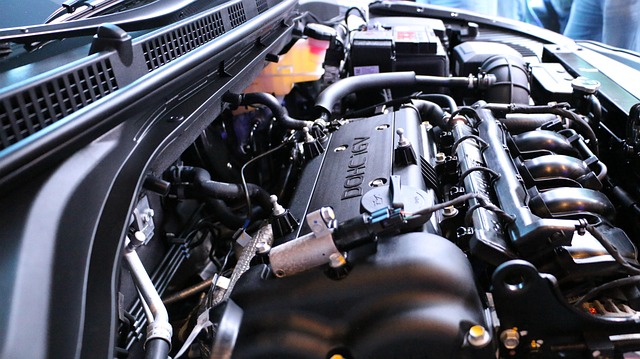
Registering a car in California involves several steps, and one of the critical initial tasks is gathering the necessary documents for registration. This process ensures that your vehicle complies with state regulations and facilitates a smooth ownership transition. Among these documents, the Vehicle Identification Number (VIN) plays a pivotal role, serving as a unique code that identifies your car. Therefore, utilizing a reliable VIN verifier, whether it’s through a traditional or mobile inspection, is essential to begin this process correctly.
For instance, in California, you’ll need to provide the following documents: your valid driver’s license, proof of residency (e.g., utility bill), and the completed Vehicle Registration Application form. Most importantly, you must also present a valid VIN inspection report or utilize a mobile VIN verifier to confirm your vehicle’s identity and history. This step is crucial as it helps prevent fraud and ensures that you’re registering the rightful owner’s vehicle. Moreover, several online platforms now offer remote VIN inspections, making it more accessible for California residents to complete this requirement.
When conducting a VIN inspection, whether through an official agency or a mobile verifier, ensure that the report includes detailed vehicle information, such as make, model, year, and engine specifications. These details are cross-referenced against national databases to verify ownership history, accident reports, and any outstanding issues related to the vehicle. By employing these methods, California drivers can confidently proceed with their registration, knowing they’ve met all the necessary legal requirements.
Verify Vehicle's VIN with California DMV

Registering a car in California involves several crucial steps, one of which is verifying your vehicle’s Vehicle Identification Number (VIN). This process ensures that your vehicle meets all legal standards and aids in tracking its history. A VIN verifier is essential for this task, providing accurate and reliable data. Using a mobile VIN verifier or performing a VIN inspection is recommended before proceeding with registration to prevent any potential issues.
When verifying the VIN, you’ll need to consult the California Department of Motor Vehicles (DMV) database. This state agency maintains comprehensive records on all vehicles registered in California, including detailed information linked to each unique VIN. A mobile VIN verification service can assist in this process by providing instant access to these records through a digital platform. By inputting your vehicle’s VIN, you’ll gain immediate insights into its history, including previous owners, maintenance records, and any reported incidents.
For instance, a recent study found that up to 20% of vehicles with altered or hidden VINs were involved in illegal activities like theft or fraud. A reliable mobile VIN verifier can detect these alterations, ensuring your vehicle’s authenticity. If discrepancies are identified during the VIN inspection, it’s advisable to address them promptly to avoid legal complications. Remember, a thorough VIN verification is not just a technicality but a vital step in securing your investment and ensuring a safe, legitimate registration process.
Choose a Registration Method: Online or In-Person

Registering a car in California can be a straightforward process if you choose the right method for your needs. One of the most significant decisions is whether to register online or in-person. Both options have their advantages, and understanding these differences will help ensure a smooth experience.
For the digitally savvy individual, registering online offers convenience and speed. The California Department of Motor Vehicles (DMV) provides an efficient digital platform for car registration, allowing you to complete the process from the comfort of your home or office. This method involves submitting essential documents via upload, including proof of identification and vehicle ownership. Once verified, your VIN (Vehicle Identification Number) is checked using a reliable VIN verifier, such as a mobile VIN inspection tool, ensuring the vehicle’s history is clear. Online registration simplifies the process, saving time and potentially reducing costs associated with in-person visits.
However, not everyone prefers the digital route. Some drivers may feel more comfortable conducting business in person, where they can receive immediate assistance and clarification if needed. Visiting a local DMV office allows for direct interaction with representatives who can guide you through any complexities or issues. Moreover, some individuals might require additional services like title transfers or vehicle inspections, which are readily available at DMV centers. A mobile VIN verifier can still be utilized here to ensure the accuracy of the vehicle’s information during the in-person registration process, providing an extra layer of security and peace of mind.
The choice between online and in-person registration depends on personal preference, time constraints, and the complexity of your specific situation. Regardless of the method chosen, ensuring your VIN is correctly verified is paramount. Utilizing a mobile VIN inspection tool can facilitate this, offering convenience and reliability during the car registration process in California.
Complete the Registration Process and Pay Fees

To complete the registration process for a car in California, you’ll need to gather essential documents, pass a vehicle inspection, and pay the required fees. One crucial step is ensuring your Vehicle Identification Number (VIN) is verified accurately using a reliable VIN verifier. Many residents opt for a mobile VIN verification service, allowing them to confirm their car’s history digitally from the comfort of home. This modern approach streamlines the traditional process, which involved visiting a local office or dealership.
When registering your vehicle, you’ll need to present valid identification, proof of insurance, and emissions test results if applicable. The California Department of Motor Vehicles (DMV) will then conduct a VIN inspection as part of their routine checks. This verification ensures that the car matches its listed specifications and helps deter fraud. A mobile VIN verifier, like those offered by specialized apps or services, can be used to facilitate this process. By entering your VIN into an app, you gain instant access to detailed vehicle history reports, including previous owners, maintenance records, and any reported accidents.
Fees associated with registration vary based on the type of vehicle and its age. Modern cars generally have lower fees due to stricter emissions standards. You can pay these fees online or at a DMV field office. Some residents choose to combine their registration and title transfer services for convenience, especially when using a mobile VIN verifier that provides digital documentation. This streamlined approach saves time and offers the added benefit of having your car’s history readily accessible on your smartphone.
By following these comprehensive steps outlined in this article—from understanding California’s car registration requirements to completing the process with either an online or in-person approach—you can efficiently navigate the registration procedure. A key aspect, emphasized by our experts, is the accurate verification of your vehicle’s VIN (Vehicle Identification Number) using the California DMV’s tools, ensuring a seamless and legally compliant experience. This systematic guide arms you with the knowledge to register your car successfully, reinforcing the authority of the information provided in this authoritative article on car registration in California.