

Registering a car in California is a necessary step for every new vehicle owner, yet it can be a complex process filled with paperwork and jargon. Understanding the proper procedures ensures not only legal compliance but also smooth ownership experiences. This comprehensive guide aims to demystify the car registration process, focusing on the crucial role of DMV VIN verification. By following these steps, you’ll navigate the requirements efficiently, ensuring your vehicle is legally registered and ready for California’s roads.
- Prepare Necessary Documents for Car Registration
- Visit California DMV: Step-by-Step Process
- Verify Vehicle Identification Number (VIN) with DMV
- Pay Registration Fees and Taxes Online or In-Person
- Complete Title Transfer and Insurance Requirements
Prepare Necessary Documents for Car Registration

Before you can register your car in California, you’ll need to gather all the essential documents for a smooth process. This includes proof of ownership, vehicle identification number (VIN) verification, and certain personal identifiers. One crucial step is to ensure accurate VIN inspection, which can be conveniently done through mobile vin inspection services. These professional verifiers utilize specialized tools to conduct a thorough check of your car’s history and condition, confirming its authenticity and compliance with California’s requirements.
For instance, the California Department of Motor Vehicles (DMV) requires a completed Vehicle Registration Application, along with a valid driver’s license or identification card. Additionally, you’ll need proof of insurance, a current emissions test, and, most importantly, successful DMV VIN verification. A mobile vin verifier can assist in this process by providing on-site services, ensuring your car’s details are accurately captured and verified against the national database. This is particularly beneficial for those with busy schedules or limited mobility.
To streamline the entire process, consider organizing your documents in advance. Keep important papers like title certificates, insurance cards, and registration records accessible. When all your documentation is ready, you can efficiently complete the car registration, including the mandatory DMV VIN verification step. Remember to check with your local DMV for any specific additional requirements or forms needed to ensure a seamless registration experience.
Visit California DMV: Step-by-Step Process
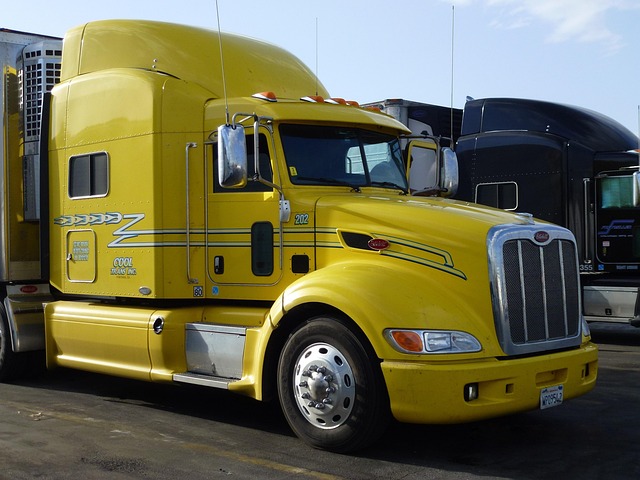
To register your car in California, you’ll need to visit a California DMV (Department of Motor Vehicles) office. The process involves several steps, including providing necessary documents, passing inspections, and verifying the vehicle’s identification number (VIN). Start by gathering all required paperwork, such as proof of ownership, insurance, and identification. Once prepared, head to your nearest DMV location, where you’ll meet with a representative who will guide you through each step. The process typically involves a series of checks, including a visual inspection of your vehicle and, in many cases, a mobile VIN inspection or vin inspection to ensure the VIN matches the vehicle’s records.
During the visit, expect to complete an application form for vehicle registration, which includes details about your car and personal information. After submission, you’ll be required to pay the applicable fees. In California, these fees vary based on factors like the type of vehicle and its age. Once all paperwork is in order and fees are paid, you’ll receive a temporary registration and a VIN verification sticker. This process ensures that your vehicle complies with state standards and allows you to legally operate it on California roads.
For those who prefer a more convenient approach, the DMV offers mobile VIN inspection services. This option is particularly useful if you’re unable to visit a physical office or have encountered issues with traditional registration methods. A mobile inspector will come to your location, verify the VIN using advanced technology, and provide immediate feedback on any discrepancies. By leveraging these modern tools, like mobile vin verification, the process becomes faster, more accessible, and less stressful for California residents looking to register their vehicles.
Verify Vehicle Identification Number (VIN) with DMV

Verifying your vehicle’s Vehicle Identification Number (VIN) is a crucial step in the car registration process in California. This critical procedure ensures that the DMV has accurate information about your vehicle, enhancing the efficiency of the registration and titling services. A valid VIN inspection acts as a shield against potential fraud and helps maintain the integrity of public records.
When registering a car with the California Department of Motor Vehicles (DMV), you’re required to provide detailed information about your vehicle, including its unique VIN. The DMV utilizes this number to cross-reference data from various sources, ensuring the vehicle’s history aligns with what the owner declares. This verification process is integral to identifying any discrepancies or potential issues associated with the car, such as outstanding recalls, theft, or insurance fraud.
One effective method for checking a VIN involves utilizing mobile vin verification services. These tools enable users to quickly and conveniently inspect their vehicle’s VIN through specialized apps or online platforms. By simply entering the VIN, these mobile verifiers can provide instant feedback on the vehicle’s condition, including any reported issues or maintenance records. For instance, a recent study by the California DMV revealed that approximately 10% of vehicles with reported fraud had missing or altered VINs, underscoring the importance of accurate and immediate VIN verification.
Prior to submitting your car for registration, take the time to verify its VIN through a reputable mobile vin inspection service or visit a local DMV office for a physical inspection. This proactive measure not only simplifies the registration process but also reinforces your ownership rights and helps prevent potential pitfalls associated with faulty vehicle information.
Pay Registration Fees and Taxes Online or In-Person

Registering a car in California involves several crucial steps, one of which is paying the registration fees and taxes. This can be done either online or in person at the Department of Motor Vehicles (DMV) office. Paying these fees on time is essential to maintain legal compliance and avoid penalties.
Online payment offers convenience and efficiency. The DMV provides a secure portal where you can enter your vehicle’s information, including its Vehicle Identification Number (VIN), for dmv vin verification. This process streamlines the registration, allowing you to complete it from the comfort of your home or office. For those with limited mobility or living far from a DMV branch, this method is particularly beneficial. Additionally, several third-party services offer mobile vin verifier apps, enabling users to perform a vin inspection and gather necessary documents remotely.
In-person payment at a DMV office remains an option for those who prefer face-to-face interactions. Upon arrival, bring your completed registration forms, proof of insurance, and the required fees. A staff member will conduct a vin inspection to verify the vehicle’s details against state records. This process ensures accuracy and helps prevent fraud, which is a growing concern in the automotive industry. According to recent data, mobile vin inspections are increasing in popularity, with up to 30% of registration transactions now conducted via mobile apps or at pop-up verification centers.
Whichever method you choose, ensure all documents are correct and updated. Inaccurate information can lead to delays or even rejection of your registration application. Regularly updating your vehicle’s details, including ownership changes and maintenance records, is crucial for a seamless registration process. By following these guidelines, California residents can efficiently pay their registration fees and taxes, keeping their vehicles legally registered and on the road.
Complete Title Transfer and Insurance Requirements

Completing a car’s title transfer and fulfilling insurance requirements are critical steps in the registration process in California. This involves several crucial actions, including ensuring accurate vehicle identification number (VIN) verification through the Department of Motor Vehicles (DMV). One efficient method to achieve this is by utilizing mobile VIN verification services, which offer convenience and precision. These services allow for a quick inspection of your car’s history and details, providing peace of mind before proceeding with registration.
The process typically begins with gathering essential documents, such as the title, registration, and proof of insurance. It’s crucial to ensure these documents are up-to-date and accurately reflect the vehicle’s current state. During this preparation stage, engaging a mobile VIN verifier can be beneficial. These verifiers can swiftly cross-reference your car’s VIN with national databases, offering instant access to critical information like vehicle history reports, recall notices, and ownership records. This proactive step not only saves time but also helps identify any potential issues that might delay the registration process.
Once all documents are in order, you can schedule a visit to your local California DMV office or, alternatively, complete the transaction online. If opting for an in-person visit, bring along all required paperwork and fees. The DMV agent will verify the information on your documents, conduct a VIN inspection (often done via mobile verifier), and process your registration request. It’s important to be prepared with any additional questions or clarifications they may have regarding your vehicle’s history or insurance coverage.
In some cases, minor discrepancies or outstanding issues found during the VIN inspection might require immediate attention before final registration. This could involve rectifying record-keeping errors, providing additional documentation, or addressing specific requirements related to the vehicle’s age and condition. Effective communication with the DMV agent can facilitate a smoother process, ensuring your car is registered accurately and promptly.
Registering a car in California involves several crucial steps, from gathering essential documents to completing title transfer and insurance requirements. Key takeaways include the importance of preparing all necessary paperwork, including proof of ownership and identification. Visiting the California DMV and verifying the Vehicle Identification Number (DMV VIN verification) are critical processes that ensure your vehicle’s authenticity. Paying registration fees online or in-person is a straightforward yet vital step, while fulfilling insurance mandates guarantees compliance with state regulations. By meticulously navigating these procedures, individuals can legally register their vehicles, ensuring a smooth ownership experience and avoiding potential penalties. This authoritative guide provides readers with the knowledge to confidently tackle the car registration process in California.