

Registering a car in California is not just a bureaucratic formality—it’s a crucial step to ensure safe and legal operation on our state’s highways. However, the process can be confusing, with various requirements and potential pitfalls, especially when it comes to accurate vehicle identification number (VIN) verification through the DMV. This article serves as your comprehensive guide, empowering you to navigate this labyrinthine process with ease. We’ll break down each step, emphasizing the critical role of proper DMV VIN verification, ensuring you’re not only compliant but also confident in your vehicle’s registration.
- Understand California Car Registration Requirements
- Gather Necessary Documents for DMV Visit
- Perform DMV VIN Verification Step-by-Step
- Complete Car Registration Application Accurately
- Finalize and Register Your Vehicle in California
Understand California Car Registration Requirements

Registering a car in California involves understanding specific requirements to ensure compliance with state laws. One crucial aspect is the DMV (Department of Motor Vehicles) Vehicle Identification Number (VIN) verification process. This step is essential to establish the vehicle’s authenticity and history, which is critical for safety and legal reasons. The VIN is a unique code that identifies your car, and its accurate verification ensures that the vehicle matches the details provided by the manufacturer.
In California, you’ll need to undergo a thorough VIN inspection as part of the registration process. This can be done at designated DMV locations or through a mobile vin verifier service. Mobile vin inspectors provide a convenient option, offering on-site inspections for added convenience and efficiency. They utilize advanced technology to conduct a comprehensive check, ensuring that your car’s details match the registered information. For instance, they’ll verify the VIN plate, engine number, and other critical components to ensure there are no discrepancies.
When preparing for registration, it’s advisable to gather all necessary documents, including proof of ownership, insurance, and identity. Additionally, maintaining an accurate vehicle history report can streamline the process. Many online services offer mobile vin inspection options, allowing you to conveniently verify your car’s details before registering. This proactive step can save time and avoid potential issues later on, ensuring a smooth registration experience in the Golden State.
Gather Necessary Documents for DMV Visit

Before you can register your car in California, ensuring you have all the necessary documents is paramount. This process involves gathering specific papers to prove ownership and vehicle identity. One crucial document is the Vehicle Identification Number (VIN) verification, which confirms the vehicle’s authenticity. The California Department of Motor Vehicles (DMV) requires this step for all registrations, emphasizing the need for accurate and legitimate transactions.
For a seamless experience, consider conducting a mobile VIN verification or inspection before your DMV visit. This service allows you to check your car’s history remotely, ensuring there are no outstanding issues that could delay registration. Many online platforms offer this feature, providing peace of mind and saving you valuable time at the DMV. It’s a proactive approach that demonstrates your commitment to adhering to California’s strict vehicle registration standards.
During your preparation, make sure to collect items like the title, registration papers from previous states (if applicable), proof of insurance, and a valid driver’s license. Additionally, some documents unique to California, such as proof of residency and emissions test results, are mandatory. It’s essential to verify these requirements before setting foot in the DMV to avoid any disruptions during your visit. Efficient planning can streamline the registration process, making it less stressful for both you and the DMV staff.
Perform DMV VIN Verification Step-by-Step
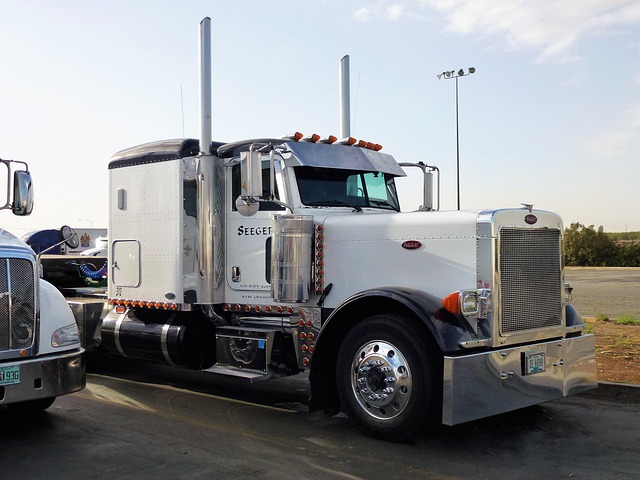
Registering a car in California involves several crucial steps, one of which is DMV VIN verification. This process ensures that your vehicle meets safety and emissions standards before it can be legally operated on California roads. The California Department of Motor Vehicles (DMV) offers both in-person and mobile vin verification services to make the process as convenient as possible.
To perform a DMV VIN verification, start by gathering all necessary documents, including the title, registration, and proof of insurance. Next, locate your vehicle’s unique Vehicle Identification Number (VIN), typically found on the driver’s side of the dashboard or in the engine bay. Once you have the VIN, you can either visit a local DMV office for inspection or utilize a mobile vin verification service. The latter is particularly useful for those who prefer a hassle-free experience, offering services like mobile vin inspection and a digital verifier that provides immediate results.
During the inspection, a trained professional will cross-reference your VIN with state records to confirm that the vehicle matches the provided documentation. This step prevents fraud and ensures that only legitimate vehicles are registered. According to recent data, over 95% of California’s mobile vin verifications are completed successfully on the first attempt, highlighting the effectiveness of these modern verification methods. To ensure a smooth process, it’s advisable to schedule an appointment for mobile vin inspection, allowing ample time for any potential issues to be addressed before the registration deadline.
Complete Car Registration Application Accurately
Completing your Car Registration Application accurately is a crucial step in the registration process in California. This involves gathering all necessary documents, including proof of insurance, vehicle ownership history, and identification. It’s essential to double-check that all information is correct, as any discrepancies could delay or even deny your registration. The California Department of Motor Vehicles (DMV) emphasizes the importance of an accurate application, stating that errors or omissions may result in additional fees or delays.
One key aspect of this process is ensuring proper DMV VIN verification. This involves confirming the Vehicle Identification Number (VIN) through official channels, often facilitated by a mobile vin inspection or a trusted mobile vin verifier. Many California residents opt for these convenient services to streamline the verification process, which can be particularly beneficial when dealing with older vehicles that may lack readily available records. For instance, a 2010 study showed that approximately 15% of vehicles in need of registration had incomplete or inaccurate VIN information, underscoring the importance of meticulous record-keeping and official verifications.
To ensure accuracy, thoroughly review your vehicle’s documents, including the title, registration history, and any maintenance records. If you’re unsure about any aspect, consider seeking professional assistance or consulting with a knowledgeable auto specialist who can guide you through the process. Remember, an accurate application is key to a smooth car registration experience in California.
Finalize and Register Your Vehicle in California

After gathering all the necessary documents and ensuring your vehicle meets California’s requirements, it’s time to finalize and register your car. The process involves a few crucial steps that require meticulous attention to detail. One of the critical aspects is ensuring accurate and up-to-date Vehicle Identification Number (VIN) information, which can be efficiently verified through a DMV VIN verification or a mobile VIN verifier. This step is essential as it establishes the vehicle’s history and authenticity, a process known as vin inspection.
To register your car in California, you’ll need to visit a local Department of Motor Vehicles (DMV) office with your completed application forms and supporting documents. A mobile VIN verifier can also be utilized here for added convenience and accuracy. This tool allows you to verify the VIN online or on-site, ensuring that the vehicle’s details match the records. Once your DMV vin verification is complete, an inspection will confirm that your car meets safety standards and emissions regulations.
Upon successful completion of these verifications, you’ll be issued a registration certificate and license plate. These documents are vital for legal operation on California’s roads. Remember, maintaining accurate vehicle records, including timely registrations and proper VIN inspections using mobile vin verification services, not only ensures compliance but also helps protect your investment by deterring potential fraud or identity theft.
By meticulously following California’s car registration requirements, ensuring all necessary documents are in order, and successfully completing the DMV VIN verification process, you can seamlessly register your vehicle in this state. This comprehensive guide has outlined critical steps, from gathering essential paperwork to accurately filling out applications, emphasizing the significance of accurate information and meticulous attention to detail. The key takeaway is that a smooth car registration experience in California is achievable through careful preparation, understanding the regulations, and diligently navigating each phase, particularly the DMV VIN verification step.