

Registering a car in California is not merely a bureaucratic task but a crucial step for any vehicle owner, ensuring legal compliance and access to roads. However, navigating the process can be challenging, especially with evolving regulations. The California Department of Motor Vehicles (DMV) offers a comprehensive framework, yet many owners struggle with understanding specific requirements, particularly when it comes to verification methods. This article provides an authoritative guide, detailing the step-by-step process for car registration, including the essential role of a DMV VIN verifier in ensuring accuracy and efficiency.
- Prepare Necessary Documents for Car Registration
- Visit California DMV: In-Person or Online Process
- Verify Vehicle Identification Number (VIN) with DMV
- Complete the Registration Application Form Accurately
- Pay Registration Fees and Receive Your Certificate
Prepare Necessary Documents for Car Registration

Before registering your car in California, it’s crucial to gather all the necessary documents. This process involves several key steps, with one of the most critical being preparation. You’ll need to have specific documentation ready, including proof of ownership and identification. A common tool that aids in this process is a DMV VIN verifier, which ensures the vehicle’s information aligns with the Department of Motor Vehicles’ records. For instance, if you’re purchasing a used car, request a mobile VIN inspection or use an online verifier to cross-reference the vehicle identification number (VIN) before finalizing the deal. This simple step can save time and prevent potential issues later.
Among the essential documents are the certificate of title from the previous owner, a valid driver’s license, and proof of insurance. It’s also advisable to bring along any registration documents that came with the car. In California, you might need additional forms depending on how you purchased the vehicle—whether it was bought new or used from an individual or dealership. If importing a car into the state, specific documentation related to import regulations is required.
Once your documents are in order, you can proceed to the DMV office or designated registration center. An important note: some of these centers offer mobile vin inspection services for added convenience, allowing you to verify the VIN and register on the same day. This streamlines the process, especially if you’re short on time or have other commitments. Ensure that all information is accurate and matches across your documents to avoid delays during registration.
Visit California DMV: In-Person or Online Process

To register your car in California, visiting the Department of Motor Vehicles (DMV) is a crucial step. You can choose between an in-person or online process depending on your preference and circumstances. The DMV offers several convenient options for vehicle registration, including mobile VIN inspection and verification services.
For an in-person visit, locate your nearest California DMV field office and gather the necessary documents like proof of ownership, valid identification, and current insurance card. During peak seasons, it’s advisable to check their online scheduling system to book an appointment, ensuring a smoother experience. At the DMV, you’ll need to complete forms for registration and provide your vehicle’s Vehicle Identification Number (VIN). Here, the DMV’s skilled staff can assist with any questions or issues regarding the registration process.
Alternatively, California’s DMV offers an online registration platform where you can submit all required documents electronically. This method is particularly convenient for those who prefer digital solutions. However, some may find it more efficient to utilize mobile VIN verification services, which allow you to check your vehicle’s history and ensure its authenticity from the comfort of your home. These services often provide instant access to detailed vehicle reports, enhancing transparency and peace of mind.
Verify Vehicle Identification Number (VIN) with DMV
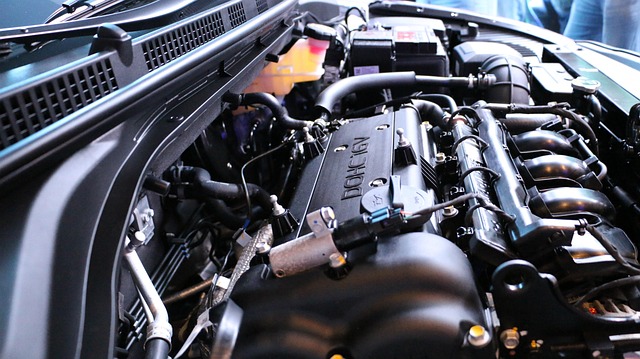
Verifying the Vehicle Identification Number (VIN) is a crucial step in the car registration process in California. This critical task ensures that the vehicle’s history is accurately represented and matches the information provided by the manufacturer. When registering your car with the DMV, it’s essential to use a reliable VIN verifier to cross-check this data. Many individuals opt for a mobile VIN verifier, which allows for convenient and efficient inspections, especially when preparing for a trip to the California DMV.
The process of verifying a vehicle’s VIN involves inputting the unique 17-character code into a designated system or tool. This technology checks against national databases to reveal important details such as the manufacturer, model year, and production location. In California, where vehicle regulations are stringent, ensuring the accuracy of these specifics is paramount. A mobile VIN inspection app can be particularly useful for those who want to streamline the preparation process before heading to a DMV office.
Notably, the California Department of Motor Vehicles (DMV) offers various resources, including online tools, to assist in this verification. However, employing a mobile vin verifier can expedite the process, especially for first-time registrants or those dealing with older vehicles that may have more complex histories. This proactive step not only helps avoid potential issues during registration but also ensures your vehicle’s documentation remains up-to-date and accurate.
Complete the Registration Application Form Accurately

When registering your car in California, accurately completing the Registration Application Form is a crucial step. This form is your official documentation, ensuring your vehicle complies with state regulations. The process involves verifying several critical details, with the Department of Motor Vehicles (DMV) Vin Verifier playing a central role. Accurate completion begins with meticulous data entry, especially for the Vehicle Identification Number (VIN).
For instance, when conducting a mobile VIN verification, ensure you have access to your vehicle’s digital records or a reliable method to obtain the VIN directly from the vehicle. This step is vital as it links your car’s unique identifier to its history, including ownership changes and maintenance records. California’s strict regulations require that all vehicles on its roads pass a thorough vin inspection. This process not only helps in identifying potential safety issues but also ensures all legal requirements are met.
A common mistake is entering the VIN incorrectly, which can lead to delays or even rejection of your registration. It’s advisable to double-check the VIN from reliable sources, such as official vehicle history reports or by consulting with a professional who understands the intricacies of mobile vin inspection. By ensuring accuracy at this stage, you streamline the registration process and minimize potential future complications.
Pay Registration Fees and Receive Your Certificate

After gathering your required documents, the next step in registering your car in California is to pay the registration fees and receive your certificate of registration. This process involves a trip to the Department of Motor Vehicles (DMV) or utilization of their online services, depending on your preference. The registration fee varies based on vehicle type and emissions status. For example, as of 2023, a standard car with no significant emission modifications typically pays around $57. While at the DMV, you’ll also need to provide proof of insurance and pass an emissions test if required.
One convenient method to streamline this process is by utilizing a mobile VIN inspection or mobile VIN verifier. This service allows you to have your vehicle’s history and identity verified remotely by a professional. They will use the unique Vehicle Identification Number (VIN) to access detailed information about the car, including its past owners, accident history, and whether it has been properly maintained. This is particularly beneficial when purchasing a used vehicle, as it provides assurance that no discrepancies exist in the vehicle’s documentation.
Upon successful completion of these steps, you’ll be issued a certificate of registration, which serves as legal proof of your car’s ownership and registration status in California. It’s crucial to keep this document updated and accessible for future reference or when selling the vehicle. Remember, staying organized and proactively managing your vehicle’s registration ensures a smooth driving experience and avoids any potential legal issues.