

Registering a car in California is a vital step for any new owner, ensuring legal compliance and ownership protection. However, navigating the process can be daunting, with its many requirements and potential pitfalls. This comprehensive guide aims to demystify the registration procedure, offering expert insights into every step. From gathering essential documents to understanding fee structures, we’ll walk you through each phase. Moreover, we’ll emphasize the critical role of Vehicle Identification Number (VIN) verification in ensuring a legitimate transaction. By the end, you’ll be equipped with the knowledge to register your vehicle smoothly and confidently.
- Gather Necessary Documents for Car Registration
- Prepare Your Vehicle for Inspection and Title Transfer
- Complete Online California Vehicle Registration Application
- Schedule and Conduct VIN Verification for Accurate Data
- Finalize Registration, Insurance, and License Plate Acquisition
Gather Necessary Documents for Car Registration

Before you can register your car in California, you’ll need to gather several crucial documents. This process is essential for ensuring your vehicle’s legal status and facilitating a smooth registration experience. Key among these requirements is a Vehicle Identification Number (VIN) verification, which plays a pivotal role in establishing ownership and the car’s history.
For residents opting for a mobile VIN inspection or verification service, this step becomes particularly convenient. These services allow you to obtain a digital VIN report from the comfort of your home or office by simply providing your vehicle’s unique 17-digit number. This modern approach streamlines the initial process, reducing the need for lengthy paperwork and potential back-and-forth trips.
Among the essential documents required is a valid driver’s license or state ID card, proof of insurance, and the vehicle’s title—all of which are critical during the VIN inspection. Additionally, you’ll need to present current registration papers (if transferring from another state) or a signed bill of sale to prove your ownership. It’s important to ensure all documents are authentic and up-to-date to avoid registration delays or complications.
Moreover, California requires proof of emissions compliance for most vehicles, which can be in the form of an inspection certificate. This step is vital to meet environmental standards and is often done alongside the VIN verification process. By proactively gathering these necessary documents, you’ll be well on your way to successfully registering your vehicle with minimal hassle.
Prepare Your Vehicle for Inspection and Title Transfer
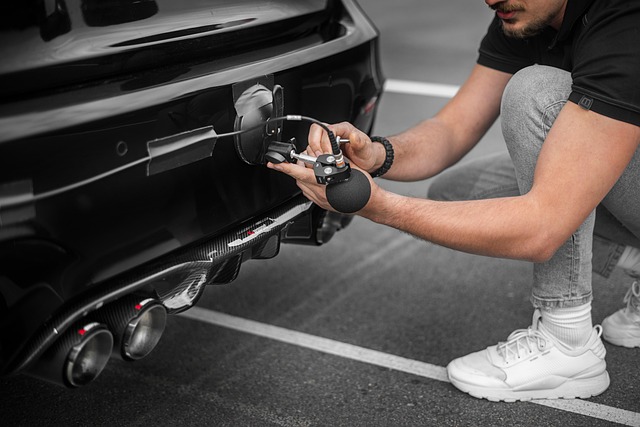
Before you register your car in California, it’s crucial to prepare your vehicle for the inspection process. This involves ensuring your car meets all safety standards and environmental regulations, which includes a comprehensive vehicle inspection that verifies the Vehicle Identification Number (VIN). In California, this is often done through a mobile VIN inspection or verification service, as it offers convenience and saves time for both you and the DMV.
During the preparation phase, gather all necessary documents related to ownership and vehicle history. This includes the title, registration, and any proof of insurance. Additionally, ensure that your car’s maintenance records are up-to-date; a well-maintained vehicle is more likely to pass inspection smoothly. If you’ve recently purchased a used car, it’s essential to obtain a clean vehicle history report, which can be facilitated by using online services that provide mobile VIN verification. These tools allow for easy and quick checks of the vehicle’s past, including any accidents or outstanding issues.
A key step in the preparation process is scheduling a mobile VIN inspection. This service sends a trained professional to your location to conduct a thorough inspection of your car. They will verify the VIN, check for any discrepancies, and ensure that all components are in compliance with California’s standards. For example, they’ll inspect critical systems like brakes, lights, and emissions to guarantee your vehicle is safe and environmentally friendly. If issues are found, you’ll receive clear explanations and recommendations for repairs. Many mobile VIN verifier services also offer digital reports, allowing you to track the progress easily and share the findings with the DMV during registration.
Complete Online California Vehicle Registration Application

Registering a car in California involves several crucial steps, and one of the initial stages is completing the online vehicle registration application. This process streamlines traditional procedures, making it more accessible for residents. The first step is to gather essential documentation, including proof of ownership, which can be easily done through digital platforms. Once you have your Vehicle Identification Number (VIN), a critical piece of information, verify it using a mobile VIN verifier or conduct a VIN inspection yourself to ensure its accuracy. This simple step is vital as it safeguards against potential errors and ensures the validity of the vehicle’s history.
When filling out the online form, provide detailed and accurate information about your vehicle, such as the make, model, and year. This data is essential for the California Department of Motor Vehicles (DMV) to conduct a thorough search and cross-reference with their records. The process allows you to upload documents electronically, making it more convenient than traditional methods. Moreover, having a mobile VIN inspection service on hand can be beneficial; these tools provide instant VIN verification, ensuring your data is reliable before submitting the form.
After completing the online application, expect a response within a specified timeframe. If all details are correct and your VIN passes inspection, you’ll receive confirmation for registration. This method not only saves time but also reduces potential errors in data entry, which can lead to delays. It’s advisable to double-check all information before submission to ensure a smooth process.
Schedule and Conduct VIN Verification for Accurate Data

Registration of a vehicle in California involves a meticulous process, ensuring every detail is accurate. A crucial step in this journey is scheduling and conducting Vehicle Identification Number (VIN) verification. This process verifies the authenticity and integrity of your car’s data, which is vital for preventing fraud and ensuring consumer protection. A mobile VIN verifier or inspector can play a pivotal role here, as they can perform this inspection at your convenience, whether it’s at your home, workplace, or even during a test drive.
During VIN verification, a professional inspector will cross-reference the information on your car’s VIN with the manufacturer’s records. This includes checking the vehicle’s make, model, year, and other critical specifications. By utilizing advanced technology and databases, these mobile inspectors can quickly detect any discrepancies or potential issues. For instance, they might uncover a history of accidents, unauthorized repairs, or even stolen vehicles. Such insights are invaluable for buyers and sellers alike, ensuring that the transaction involves a genuine, well-documented vehicle.
To ensure the best experience with VIN verification in California, consider scheduling an inspection early in the registration process. It’s recommended to conduct this check 1-2 times during the year to maintain accurate records. If any unexpected issues arise post-purchase, having reliable, up-to-date data can significantly facilitate resolution. For instance, a comprehensive mobile vin inspection report could prove invaluable if there’s ever a need to insure, sell, or trade your vehicle. By taking this proactive step, you can save time and avoid potential complications later in the registration process.
Finalize Registration, Insurance, and License Plate Acquisition

To finalize the registration process for your car in California, you’ll need to navigate a few crucial steps, ensuring compliance with state regulations. One of the essential components is confirming your vehicle’s identity through a Vehicle Identification Number (VIN) verification process. This step is critical and can be efficiently handled by utilizing a mobile VIN verifier—a handy tool that allows for accurate and quick inspections. By inputting your VIN into a specialized app, you can access detailed vehicle history data, including ownership records and any reported incidents, ensuring the car’s legitimacy.
Once your VIN verification is complete, it’s time to address insurance requirements. California mandates all vehicles on its roads be insured. You’ll need to obtain a policy from an approved insurer, covering liability, collision, and comprehensive options. The state provides resources to compare quotes and choose the right coverage for your needs. It’s advisable to shop around for competitive rates while ensuring you meet the minimum insurance thresholds set by California laws.
With insurance secured, the final step involves acquiring license plates. You can obtain plates through the California Department of Motor Vehicles (DMV) or authorized third-party providers. When ordering, ensure the plates are correctly sized and fit your vehicle. Additionally, consider personalized plates for a unique touch—a feature that might enhance your driving experience. Remember, proper registration, insurance, and license plates are not just legal requirements but also crucial for your safety and peace of mind on California’s roads.
By meticulously following these steps, from gathering essential documents to finalizing the registration process with VIN verification, you can confidently navigate the car registration journey in California. This article has equipped you with the knowledge to prepare your vehicle, complete online applications, and ensure accurate data through VIN verification. Remember, proper registration not only complies with legal requirements but also ensures a smooth ownership experience and protects your investment.