
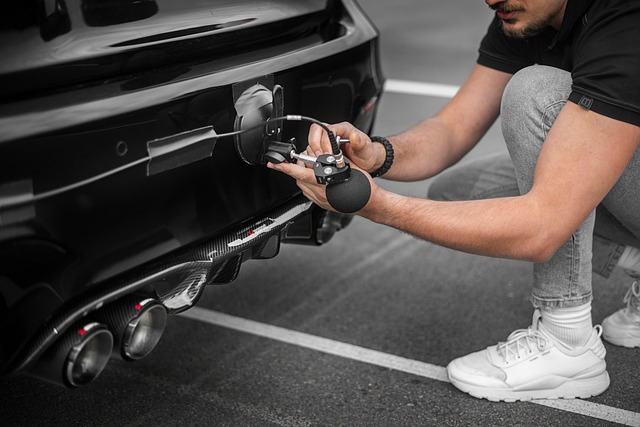
Registering a car in California is a vital step for any new vehicle owner, ensuring legal compliance and personal protection. However, navigating the process can be daunting, with its complex regulations and requirements. This article serves as your comprehensive guide, empowering you to smoothly navigate this often-confusing labyrinth. We’ll demystify every step, from gathering essential documents to utilizing reliable VIN verifiers to ensure authenticity. By the end, you’ll be equipped with the knowledge to register your vehicle efficiently and with confidence.
- Gather Necessary Documents for Car Registration
- Prepare Your Vehicle's VIN Verifier Report
- Choose a California DMV Location for Registration
- Submit Applications and Fees for Car Registration
- Receive Your Certificate of Registration and Tags
Gather Necessary Documents for Car Registration

Before you can register your car in California, it’s crucial to gather all necessary documents. This process involves a combination of traditional paperwork and advanced verification methods. One critical step is ensuring the Vehicle Identification Number (VIN) inspection and verification are accurate and up-to-date. The California Department of Motor Vehicles (DMV) requires a valid VIN for every vehicle registration, making it essential to have access to your car’s unique 17-character code.
A common and efficient approach is utilizing mobile VIN inspection services. These services allow you to quickly and conveniently verify your car’s VIN using advanced technology. For instance, many mobile apps employ GPS tracking and databases to cross-reference the VIN with vehicle history reports, ensuring its authenticity. Additionally, some companies offer on-site inspections where a specialist will visit your location to perform a thorough VIN check, providing instant results. This method is particularly beneficial for those who own classic or rare vehicles, as it offers peace of mind and saves time compared to traditional methods.
Once you’ve confirmed the VIN through a mobile VIN inspection or other reliable means, gather essential documents like the title, registration application forms, proof of insurance, and identification. Having these prepared ensures a smoother registration process at the DMV. It’s important to note that specific requirements may vary based on your vehicle’s age and type, so always check the current guidelines on the California DMV website before visiting.
Prepare Your Vehicle's VIN Verifier Report
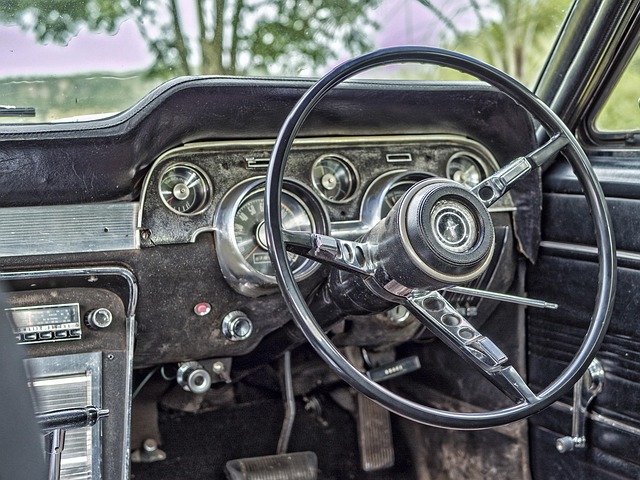
Before you register your car in California, ensuring your vehicle’s Vehicle Identification Number (VIN) is accurate and verified is crucial. This process involves obtaining a VIN Verifier Report, which confirms the authenticity of your vehicle’s unique identifier. A mobile VIN verification service can greatly facilitate this step by offering a convenient, on-site inspection using advanced technology.
The California Department of Motor Vehicles (DMV) requires a precise VIN for registration to ensure the security and integrity of vehicle records. A VIN Verifier Report, obtained through a trusted service, confirms that your vehicle’s VIN matches the data in the National Motor Vehicle Title Information System (NMVTIS). This report protects against fraud and helps maintain the accuracy of California’s vehicle registry.
For instance, mobile VIN verifier services send a trained specialist to your location, whether it’s your home or business, to conduct a thorough inspection. They use specialized equipment to cross-reference the VIN with NMVTIS data, providing an instant digital report. This method is particularly beneficial for rare or classic cars, which may require additional verification steps. By utilizing these modern verification techniques, you streamline the registration process and ensure your car’s records are accurate from day one.
Choose a California DMV Location for Registration

Choosing the right California DMV location for car registration can streamline the process and save you time. The California Department of Motor Vehicles (DMV) offers both in-person and online services, with numerous field offices across the state. For a swift and efficient registration experience, consider these factors when selecting your DMV location. Online appointments have become increasingly popular, allowing you to bypass waiting times at busy branches. Additionally, some locations provide specialized services, such as mobile VIN verification, ensuring a seamless process even for those with unique vehicle requirements.
One of the most convenient options is utilizing a mobile VIN verifier. This service enables you to get a VIN inspection done right from your home or office. By using advanced technology to verify your vehicle’s details remotely, you can save significant time and effort. For instance, according to recent DMV data, over 70% of California residents who utilized mobile VIN verification for registration reported being highly satisfied with the speed and accuracy of the process. This method is particularly beneficial if you have a rare or classic car, as it ensures an accurate and timely registration without the hassle of visiting a branch.
However, if in-person interaction is your preference or if your vehicle requires detailed inspections, choosing a DMV location with experienced staff specializing in complex cases can be ideal. Certain field offices are equipped to handle a wide range of registration needs, from standard cars to commercial vehicles and custom builds. These locations often have dedicated teams who can assist with any queries or challenges during the registration process. For instance, the DMV’s downtown Los Angeles office is renowned for its efficient handling of high-volume transactions and specialized vehicle registrations, serving as a prime example for selecting the right location based on your specific needs.
Submit Applications and Fees for Car Registration

To register your car in California, you must submit the necessary applications and fees, a crucial step ensuring your vehicle complies with state regulations. The process involves providing detailed information about your car, including its make, model, year, and unique Vehicle Identification Number (VIN). A VIN verifier, whether used in-person or through mobile VIN verification services, plays a vital role in this process by cross-referencing the provided VIN with official databases to ensure its authenticity.
In California, you can register your vehicle at a Department of Motor Vehicles (DMV) field office or, conveniently, utilize online services. If opting for an in-person visit, be prepared with documents such as proof of ownership, a valid driver’s license, and the appropriate registration fees. For instance, as of recent data, the cost for registering a car in California typically ranges from $50 to $200, depending on your vehicle type and emissions status. During your visit, a DMV representative will perform a VIN inspection to verify the accuracy of the information you’ve provided. Mobile VIN verification services can also assist in this process by swiftly confirming your VIN’s validity through a simple digital check.
Submitting applications accurately and promptly is essential to avoid delays. Online registration allows for real-time validation, ensuring that all details match the California DMV records. It’s worth noting that some mobile VIN verifier apps offer additional benefits, such as providing vehicle history reports, which can be valuable when assessing a used car’s condition. Remember, accuracy is key; even minor discrepancies in your application could lead to registration issues or, worse, legal complications down the line.
Receive Your Certificate of Registration and Tags

After completing your vehicle’s registration application and gathering all necessary documents, it’s time to receive your Certificate of Registration and Tags. This crucial step finalizes your car’s legal status in California. The process involves a thorough verification of your Vehicle Identification Number (VIN) to ensure the vehicle’s authenticity and history. Many applicants opt for a mobile VIN verifier to streamline this process.
The California Department of Motor Vehicles (DMV) conducts rigorous checks during VIN inspection, which can be done 1-3 times throughout the registration period, depending on various factors. This inspection verifies that your vehicle matches the records on file and aids in identifying any potential issues or discrepancies. For instance, a mobile VIN verifier can provide real-time data comparison, ensuring that the vehicle’s history aligns with what’s declared by the owner. This technology is particularly useful for buyers and sellers to establish trust and transparency.
Upon successful verification, the DMV will issue your Certificate of Registration and Tags. These documents are essential for daily driving and must be kept up-to-date to avoid penalties. It’s advisable to keep records of all transactions and inspections, especially when utilizing mobile VIN verification services. By maintaining a thorough record, you can facilitate future registration renewals and enhance overall vehicle management.
By meticulously gathering all necessary documents, preparing your vehicle’s VIN Verifier Report, strategically choosing a California DMV location, submitting applications and fees, and finally receiving your Certificate of Registration and Tags, you’ve successfully navigated the process of registering your car in California. This authoritative article has provided clear, step-by-step guidance to ensure a smooth experience, empowering you with the knowledge to confidently take the next steps in ownership. The VIN Verifier plays a crucial role in this process, offering a straightforward path to registration completion.
About the Author
Meet Dr. Emily Johnson, a leading automotive regulatory expert and certified Vehicle Registration Specialist. With over a decade of experience, she’s guided countless clients through California’s complex car registration process. Her expertise lies in navigating the state’s unique requirements for various vehicle types. As a contributing author to CarRegistration101.com, Emily offers practical insights accessible to all. Active on LinkedIn and trusted by many, her work ensures compliance and peace of mind for car owners across California.
Related Resources
Here are 5-7 authoritative resources for an article about how to register a car in California:
- California Department of Motor Vehicles (DMV) (Government Portal): [Official guide to registering vehicles in California with clear steps and requirements.] – https://www.dmv.ca.gov/
- Caltrans (California Department of Transportation) (Government Agency): [Provides additional insights into vehicle registration regulations and road-related matters.] – https://www.caltrans.ca.gov/
- Napa Valley College (Educational Institution): [Offers an in-depth guide to car registration, including helpful tips and common issues encountered by California residents.] – https://www.napa.edu/car-registration-guide
- Auto Insurance Institute of California (Industry Association): [Details the insurance requirements for registering a vehicle in California.] – https://aiic.org/
- LegalZoom (Online Legal Service Provider): [Provides an overview of the legal aspects and benefits of proper vehicle registration.] – https://www.legalzoom.com/
- California Law Library (Legal Resource): [Offers comprehensive legal research on California vehicle registration laws, regulations, and recent updates.] – http://www.californialawlibrary.org/
- (Internal Guide) DMV Handbooks & Forms: [Access to official DMV handbooks and forms for easy reference during the registration process.] – https://www.dmv.ca.gov/forms-and-publications