

Registering a car in California is a vital step for any new owner, ensuring legal compliance and protecting your investment. However, navigating the process can be confusing due to stringent regulations and varying requirements across regions. This comprehensive guide aims to demystify the car registration procedure, offering clear instructions tailored to California’s unique standards. We’ll delve into every step, from gathering essential documents to using a reliable VIN verifier to ensure the vehicle’s authenticity. By the end, you’ll be equipped with the knowledge to register your vehicle seamlessly and confidently.
- Understand California Car Registration Requirements
- Gather Necessary Documents for Registration
- Choose an Appropriate Vehicle Registration Class
- Verify Your Vehicle's VIN with a Trusted Service
- Complete and Submit the Registration Application Form
Understand California Car Registration Requirements

Registering a car in California involves understanding specific requirements to ensure legal compliance and smooth ownership. The process begins with gathering essential documents and verifying crucial information, such as the Vehicle Identification Number (VIN). A VIN verifier, whether mobile or stationary, plays a critical role in this verification process by cross-referencing the provided VIN with state records to confirm vehicle history and details.
In California, all vehicles must be registered through the California Department of Motor Vehicles (DMV). This includes cars, motorcycles, and other motor vehicles. To register, owners need to present specific documents including proof of identity, residency, insurance, and vehicle title. Additionally, a completed Application for Title and Registration (Form MV-5) is required. One unique aspect in California is the mandate for all vehicles to undergo an annual inspection to ensure they meet safety and emission standards. This inspection is typically done at certified locations, but mobile VIN inspection services can provide convenience by verifying the vehicle’s compliance during the registration process.
Beyond these basics, there are additional considerations. For example, if a car has been recently purchased from an out-of-state dealer, you might need to establish California residency before registering. Furthermore, vehicles with modified titles or those involved in previous accidents require extra scrutiny. Utilizing advanced tools like mobile VIN verifiers ensures accuracy and streamlines the registration process, making it easier for both owners and DMV staff. It’s crucial to approach car registration with a thorough understanding of these requirements to avoid delays or issues down the line.
Gather Necessary Documents for Registration

Registering a car in California involves a meticulous process to ensure compliance with state regulations. A crucial step in this journey is gathering the essential documents for registration. This phase demands attention to detail to streamline the entire car registration procedure. Among these documents, the Vehicle Identification Number (VIN) plays a pivotal role and requires verification through reliable means such as mobile VIN verification services or a traditional VIN inspection.
When preparing your documentation, it’s vital to have accurate and up-to-date information. For instance, most California Department of Motor Vehicles (DMV) forms require the exact VIN, which is a unique code that identifies your vehicle. A simple mistake in this number can lead to delays or even rejection of your registration application. Therefore, utilizing mobile VIN verifier apps that provide instant, precise results can save you precious time and effort. These tools allow for a convenient and quick VIN inspection right from the comfort of your home or on-the-go.
Furthermore, ensure you have all required documents, including proof of ownership, vehicle title, valid insurance, and identification. It’s also recommended to check with your local DMV office for any specific additional paperwork they may require. For instance, if you’re registering a newly purchased vehicle, a bill of sale or manufacturer’s certificate of origin might be needed. By proactively gathering these documents and verifying your VIN through reliable mobile services, you’ll be well on your way to a smooth car registration experience in California.
Choose an Appropriate Vehicle Registration Class
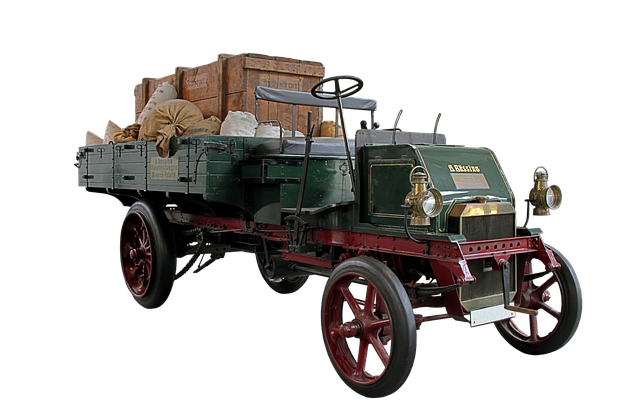
Choosing the correct vehicle registration class is a crucial step when registering your car in California, as it ensures you pay the appropriate fees and receive the right level of service. The state’s Department of Motor Vehicles (DMV) categorizes vehicles into several classes based on factors like age, type, and use. One key element that influences classification is the Vehicle Identification Number (VIN) verifier, which plays a significant role in confirming vehicle authenticity during the registration process.
In California, vehicles can be registered as either new or used. New cars are typically those manufactured within the past 90 days, while used vehicles have an older VIN and may require additional inspections to ensure they meet safety standards. A mobile VIN inspection or verification service is a convenient option for owners of used cars, offering on-site assessments that can streamline the registration process. This is particularly beneficial in light of data suggesting that approximately 15% of vehicles registered in California are reported as stolen annually, emphasizing the importance of accurate VIN verifications.
For classic cars or those with unique characteristics, specific guidelines apply. These vehicles may require historic vehicle registration, which involves providing historical documentation and ensuring they meet certain preservation standards. In such cases, a mobile VIN verification service can be invaluable, allowing owners to demonstrate their car’s authenticity and historical significance during the registration process. By utilizing these specialized services, California drivers ensure a smoother and more accurate registration experience, reflecting the state’s commitment to efficient and secure vehicle administration.
Verify Your Vehicle's VIN with a Trusted Service
Verifying your vehicle’s VIN (Vehicle Identification Number) is a critical step in the car registration process in California. This unique 17-character code serves as a digital fingerprint for your vehicle, providing essential information about its make, model, year, and manufacturing location. It’s crucial to ensure the VIN’s accuracy during registration, which can be accomplished through a trusted VIN verifier service. Many Californians opt for mobile VIN inspection or a comprehensive online VIN verification tool to streamline this process.
A trusted VIN verifier not only ensures the vehicle’s authenticity but also helps identify any potential issues or discrepancies. For instance, a simple online check might reveal hidden recalls or previous accidents that could impact your registration and insurance costs. Moreover, using a mobile VIN inspection service allows you to verify the vehicle’s history conveniently before finalizing the purchase. This proactive approach is increasingly popular among car buyers in California, enabling them to make informed decisions and avoid potential pitfalls.
To maximize efficiency, integrate a reliable VIN verifier into your car registration routine. Whether you’re buying a new or used vehicle, this extra step can save time and money in the long run by ensuring your vehicle’s history is clean and accurate. Remember, a well-informed decision starts with verifying your vehicle’s VIN through a trusted service.
Complete and Submit the Registration Application Form

To register your car in California, you’ll need to complete and submit a Registration Application Form (Form DV304), available online or at a California Department of Motor Vehicles (DMV) office. The process involves verifying critical information about your vehicle, including its Vehicle Identification Number (VIN). A VIN verifier, such as a mobile VIN verification service, can play a crucial role in this step. By using advanced technology to cross-reference the VIN with databases, these services ensure the vehicle’s history is clear and accurate, which is essential for registering in California.
Start by accessing the official DMV website or downloading the necessary forms. Fill out Section 1 of Form DV304, where you’ll provide details like your name, address, and contact information. In Section 2, you’ll input the VIN from your vehicle’s registration plate or its label on the dashboard. Here, a mobile VIN verifier can be particularly handy. Using your smartphone, you can quickly and easily perform a VIN inspection to retrieve vital data about the car, including its make, model, year, and any historical owners—information that must match what’s on file with the DMV.
Once you’ve accurately entered all required data, review Form DV304 for completeness. Double-check your answers against the provided checklists. Then, submit the form along with the necessary fees to a California DMV office or, in some cases, via mail. Ensure that all documents are legible and accurate to avoid delays in processing your registration request. Remember, registering your vehicle properly not only complies with California laws but also ensures you have legal protection when on the road.
By meticulously following California’s car registration requirements, from understanding the necessary documents to choosing the right vehicle class and verifying your Vehicle Identification Number (VIN) using a trusted service, you can ensure a smooth and efficient registration process. Completing the application form accurately is key; this step requires careful attention to detail. Remember, a reliable VIN verifier is an essential tool in this process, ensuring your vehicle’s authenticity and history are accurately checked. These steps empower you to navigate the registration labyrinth with confidence, leaving you with a valid and legally compliant car registration in California.