

Registering a car in California is more than just a bureaucratic formality; it’s a crucial step for any new or existing vehicle owner, ensuring roadworthiness and legal compliance. However, navigating the process can be daunting, especially with stringent regulations in place. This comprehensive guide aims to demystify the car registration journey, offering clear, expert insights on every step involved. From gathering essential documents to understanding fee structures, we’ll cover it all, emphasizing the critical role of accurate Vehicle Identification Number (VIN) verification for a seamless experience.
- Understand California Car Registration Requirements
- Gather Necessary Documents for Vehicle Registration
- Perform VIN Verification for Accurate Data Entry
- Choose an Appropriate Registration Class and Fee Payment
- Submit Application and Wait for Confirmation from DMV
Understand California Car Registration Requirements

Registering a car in California involves a meticulous process that ensures vehicle safety and roadworthiness. Before diving into the registration procedures, understanding the state’s specific car registration requirements is paramount. The California Department of Motor Vehicles (DMV) mandates that all vehicles operated within the state undergo thorough inspection and proper documentation. One of the critical steps in this process is Vehicle Identification Number (VIN) verification, ensuring the vehicle’s authenticity and history.
VIN inspection plays a pivotal role in the registration process, as it helps verify the vehicle’s make, model, and year, along with its unique characteristics. This verification is particularly essential when purchasing a used car, as it safeguards against potential fraud and ensures the vehicle’s legal status. In California, a mobile VIN inspection or verification service can be a convenient option for owners. These services, often conducted by certified professionals, offer on-site VIN checks, eliminating the need for visitors to travel to a DMV office. This approach is especially beneficial for those with busy schedules or limited mobility.
During a typical VIN inspection, the inspector will cross-reference the provided VIN with the manufacturer’s records to gather crucial information. This includes details about the vehicle’s original owner, any accidents or damage, and service history. In cases where the vehicle has been imported or transferred between owners, additional documentation may be required. For instance, if the car has been involved in a collision, the repair records must be accessible to demonstrate that the vehicle meets safety standards. By adhering to these requirements, California car owners ensure a smooth registration process, a key aspect of responsible vehicle ownership.
Gather Necessary Documents for Vehicle Registration

Before you can register your car in California, it’s crucial to ensure all required documents are in order. This process begins with gathering essential paperwork that verifies both your vehicle’s identity and your own eligibility as the owner. One critical step in this verification process is conducting a Vehicle Identification Number (VIN) inspection.
In California, VIN verification is a mandatory part of the registration procedure. You can perform this check yourself using a mobile VIN verifier or visit an official DMV location for assistance. A reliable mobile VIN scanner can cross-reference your vehicle’s unique 17-character VIN against state and national databases to confirm its make, model, year, and other crucial details. This step is essential as it helps protect you from fraud and ensures you’re registering the rightful owner of the car.
In addition to the VIN inspection, other documents typically required for vehicle registration in California include: a valid driver’s license or ID card, proof of insurance, evidence of vehicle ownership (like a title or registration from another state), and completion of Form SM 700 (Application for Title and Registration). It’s important to note that specific requirements may vary slightly based on the type of vehicle and your individual circumstances.
By proactively gathering these documents and ensuring accurate VIN verification, you can streamline the car registration process in California and avoid potential delays or issues down the road.
Perform VIN Verification for Accurate Data Entry

Registering a car in California involves meticulous data entry, ensuring every detail is accurate to maintain legal compliance. A crucial step in this process is performing a Vehicle Identification Number (VIN) verification. This procedure ensures that the information linked to your vehicle’s unique VIN code aligns with official records, preventing potential errors and fraud. By utilizing mobile VIN verification services, you can streamline this task, making it more convenient and efficient.
Mobile VIN inspection plays a pivotal role in modern car registration procedures. It allows for real-time data cross-referencing against global databases, guaranteeing the integrity of your vehicle’s history. For instance, a quick online check might reveal previous ownership details, accident reports, or outstanding recalls, all of which can impact the registration process. This proactive approach not only saves time but also helps identify potential issues early on, ensuring a smoother overall experience.
During VIN verification, pay close attention to key aspects such as vehicle make, model, year, and any modifications made. Accurate recording is paramount to avoid miscommunication or delays. Moreover, consulting with licensed vehicle registration specialists who offer mobile VIN inspection services can provide valuable insights into any anomalies or potential red flags. This expert guidance ensures that your car’s registration is not only accurate but also legally sound, leaving you confident in the integrity of your vehicle’s documentation.
Choose an Appropriate Registration Class and Fee Payment
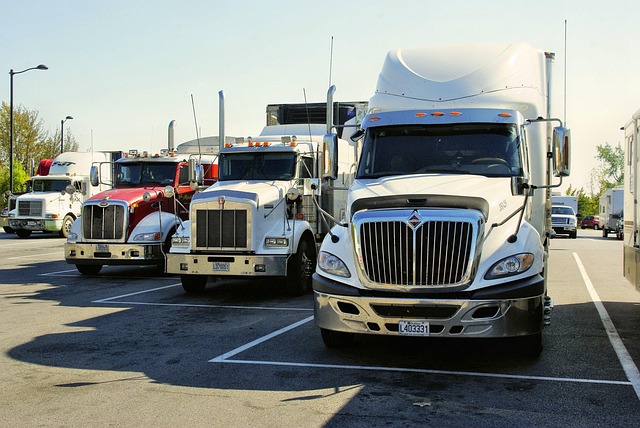
Choosing the right registration class is a crucial step when registering your car in California, as it directly impacts both the fee you’ll pay and how often you need to renew. The state categorizes vehicles into several classes based on factors like age, type, and use—a system designed to streamline the registration process while ensuring fairness across different types of owners. For example, classic cars over 25 years old may qualify for reduced fees due to their historical significance. On the other hand, new vehicles or those with advanced emissions systems might fall into higher categories, reflecting their modern standards and the associated costs.
When selecting your registration class, consider how often you’ll be using the vehicle. Daily drivers will typically require more frequent renewals, while occasional or seasonal users may benefit from longer registration periods. This is where services like mobile VIN verification come into play. A mobile VIN inspection allows you to complete this critical step—verifying your vehicle’s identity through its unique Vehicle Identification Number (VIN)—in the convenience of your home or office. By utilizing these modern tools, you can streamline the registration process and ensure compliance without the hassle of visiting a DMV office.
It’s important to remember that California’s Department of Motor Vehicles (DMV) offers various payment options for registration fees, including online payments, checks, and money orders. However, some methods may be more efficient or cost-effective than others, depending on your situation. For instance, paying online typically results in faster processing times due to the automation involved. Conversely, mobile VIN inspection services can reduce costs by eliminating the need for an in-person visit, which saves both time and money. This holistic approach ensures you not only comply with registration requirements but also optimize the process based on your specific circumstances.
Submit Application and Wait for Confirmation from DMV
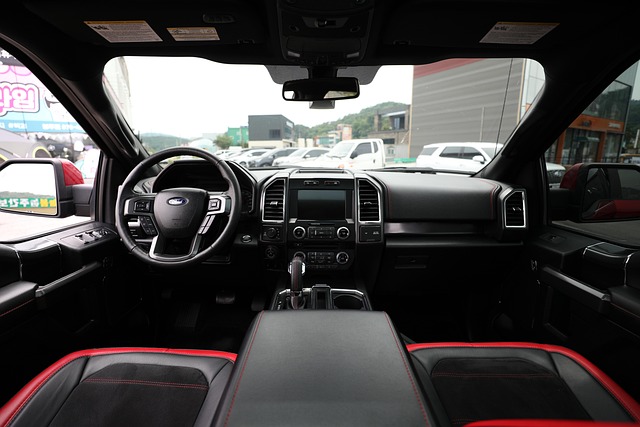
After preparing your car’s necessary documents, such as the title and proof of insurance, the next step in registering your vehicle in California involves submitting your application to the Department of Motor Vehicles (DMV). This critical phase ensures that all vehicle details are accurately verified, including a crucial element known as VIN verification. The DMV will examine your submission, cross-referencing information against their records to ensure validity and accuracy.
Submitting your application online or in person is a straightforward process. If choosing the digital route, you can complete the transaction on the official DMV website, where you’ll find dedicated forms for vehicle registration. Here, you’ll input your car’s unique Vehicle Identification Number (VIN), which serves as a fingerprint for your vehicle. This step facilitates a comprehensive VIN inspection, including verification of its authenticity and history. For instance, a mobile VIN inspection service can be utilized to check a vehicle’s past accidents or outstanding issues before registering, ensuring a transparent process.
Upon submission, the DMV will review your application, often employing advanced systems for VIN verification. This meticulous process ensures that the details provided align with the vehicle’s actual history. If any discrepancies are found during this phase, you may be required to correct and resubmit your application. For instance, if a mobile VIN verification service detects an outstanding recall on the vehicle, it could delay registration until the necessary repairs are made. Therefore, it’s essential to ensure all information is accurate and up-to-date.
By meticulously following California’s car registration requirements, from gathering essential documents to ensuring accurate Vehicle Identification Number (VIN) verification, you can streamline the registration process. Key takeaways include understanding the appropriate registration class and fee payment, as well as submitting a complete application. VIN verification stands out as a critical step, ensuring data accuracy that is vital for seamless DMV confirmation. Practical next steps involve organizing your documents, double-checking details, and preparing for potential follow-up questions from the DMV. This comprehensive guide empowers you to navigate California’s registration process confidently, leaving you with a registered vehicle and peace of mind.