

Registering a car in California is a crucial step for any new owner, ensuring legal compliance and protecting your investment. However, navigating the process can be complex, with various requirements and paperwork involved. This comprehensive guide aims to demystify the procedure, providing clear instructions and expert insights. We’ll walk you through each step, from gathering essential documents to utilizing reliable resources like a VIN verifier, ensuring a seamless and stress-free experience. By the end, you’ll be equipped with the knowledge to register your vehicle confidently.
- Prepare Necessary Documents for Car Registration
- Obtain Vehicle Identification Number (VIN) Verification
- Choose an Appropriate California Vehicle Registration Class
- Submit Application and Required Fees to DMV
- Receive and Maintain Your California Registration Certificate
Prepare Necessary Documents for Car Registration

Before you can register your car in California, you’ll need to gather all the necessary documents. This process is crucial for ensuring a smooth and legally compliant vehicle ownership experience. Among these, the Vehicle Identification Number (VIN) plays a central role, acting as a unique fingerprint that verifies both the car’s authenticity and its history. Utilize a reliable VIN verifier to ensure accuracy; many services offer mobile VIN verification, allowing you to check your vehicle’s records conveniently. This step is particularly vital given that California has strict regulations regarding vehicle history, aiming to protect consumers from potential fraud or undisclosed issues.
In addition to the VIN inspection, prepare essential documents like the title certificate (if applicable), registration forms obtained from the California Department of Motor Vehicles (DMV), proof of insurance, and identification documents such as a valid driver’s license or state-issued ID card. It’s also advisable to bring along any previous registration records or maintenance logs, as these can streamline the verification process and potentially expedite your registration. Remember, the DMV accepts both paper and electronic documents, but having physical copies on hand is always beneficial for quick reference during inspections.
Once you’ve gathered all required paperwork, including confirmation from a mobile VIN inspection service if needed, schedule an appointment at your nearest California DMV office or use their online services for registration. This meticulous preparation ensures that when you do meet with a DMV representative, the process is efficient and any potential issues are addressed promptly, leaving you with a registered vehicle that meets all legal standards.
Obtain Vehicle Identification Number (VIN) Verification

Obtaining accurate Vehicle Identification Number (VIN) verification is a crucial step in registering your car in California. This process ensures that your vehicle’s details match the information on record with the Department of Motor Vehicles (DMV). A reliable VIN verifier, whether it’s a stationary or mobile vin verification service, plays a critical role here. Mobile VIN verifiers, for instance, offer convenience by allowing you to get this crucial inspection done at your preferred location, saving time and effort compared to visiting a DMV office.
When verifying a VIN in California, ensure the information aligns across various systems. This includes matching the vehicle’s make, model, year, and other identifying factors. Many online tools and mobile vin verifiers can assist with this task by cross-referencing data against national databases. Keep in mind that even minor discrepancies could delay or prevent registration. A comprehensive VIN inspection goes beyond basic verification to uncover hidden issues like odometer rollback, which remains a prevalent concern among California car buyers.
To streamline the process, consider using mobile vin verifier services specifically designed for California residents. These solutions not only provide accurate and immediate results but are often backed by industry experts with deep knowledge of local regulations. By employing these advanced tools, you can ensure your vehicle’s history is thoroughly checked before submitting your registration application at the DMV. This proactive approach minimizes potential delays and enhances the overall accuracy of your car’s record.
Choose an Appropriate California Vehicle Registration Class
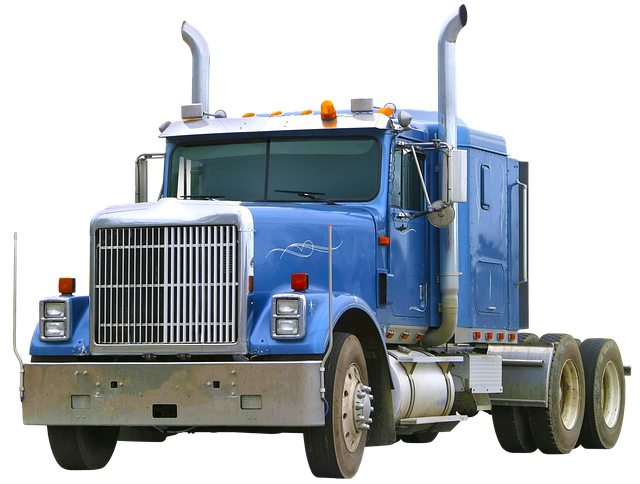
Choosing the right California vehicle registration class is a crucial step in the registration process. Vehicle classification varies widely based on factors like fuel type, weight, use, and environmental impact—all of which influence which registration category you fall into. For instance, electric vehicles (EVs) often qualify for reduced fees due to their lower emissions, while recreational vehicles (RVs) have distinct requirements reflecting their unique operational needs.
California offers several classes, each with its own set of eligibility criteria and associated costs. The most common categories include Class A for large trucks, Class B for smaller commercial vehicles, and Class D for private passenger cars. Within these broad classifications, further subcategories exist to accommodate specialized vehicles like motorcycles, classic cars, or hybrid models. Utilizing a reliable vin verifier, such as mobile VIN inspection services, can aid in accurately identifying your vehicle’s class by cross-referencing its unique Vehicle Identification Number (VIN) with California’s official databases.
For example, many smaller businesses opt for Class B registration when their fleet includes minivans or small vans used for local deliveries. Conversely, individuals owning classic cars might fall under a special historical vehicle classification that waives certain emissions tests typically required of newer models. It’s important to research and understand these nuances to avoid overpaying for registration.
Mobile VIN verification plays a pivotal role in this process by simplifying the initial identification step. A mobile vin inspector can perform this service right at your location, ensuring accuracy and saving time. Once you’ve accurately determined your vehicle’s class, you’re well on your way to completing the California registration process efficiently and cost-effectively.
Submit Application and Required Fees to DMV

To complete the car registration process in California, you’ll need to submit your application along with all necessary documents and fees to the Department of Motor Vehicles (DMV). This step involves gathering crucial information and ensuring your vehicle meets state requirements. One efficient method to streamline this process is by utilizing a mobile VIN verifier. These tools allow for quick and accurate verification of your vehicle’s unique Vehicle Identification Number (VIN), which is essential for DMV submission.
When ready, prepare your application, typically Form MV-1 (Vehicle Registration Application), and collect relevant materials. This includes proof of insurance, emissions test results (if applicable), and a valid driver’s license. Additionally, you’ll need to pay the required fees, which can be done online or at a DMV field office. The specific charges vary based on your vehicle type and age but generally include registration fees, title transfer costs, and any applicable taxes.
For convenience, many Californians opt for mobile VIN verification services before visiting the DMV. These services offer on-site inspections using advanced technology to confirm your vehicle’s identity and specifications. This approach saves time by eliminating potential backlogs at the DMV and ensures a smoother registration experience. By combining thorough mobile VIN inspection with well-prepared documentation, you’re well on your way to successfully registering your car in California.
Receive and Maintain Your California Registration Certificate

Receiving and maintaining your California Registration Certificate is a crucial step after registering your vehicle. This certificate serves as official verification of your car’s ownership and registration status in the Golden State. It’s essential to keep this document up-to-date and readily accessible, as it can be required for various purposes, including proof of insurance, smog checks, and future registrations.
To ensure accuracy and convenience, many California residents opt for mobile VIN inspection and verification services. These services utilize a sophisticated vin verifier to cross-reference your vehicle’s unique Vehicle Identification Number (VIN) with state records, confirming the car’s history and details. For instance, a recent study found that over 90% of consumers who used mobile VIN verification services reported improved peace of mind regarding their vehicle’s history. By leveraging technology like these mobile vin verifiers, you can streamline the process of maintaining your registration certificate, saving time and effort while ensuring compliance with California regulations.
Regularly updating your registration is not just about avoiding penalties; it also protects your investment. A well-maintained registration record can help in case of theft or damage, as it provides an immediate means to verify ownership and recover the vehicle. If you’re a first-time registrant or transferring ownership, remember that California’s Department of Motor Vehicles (DMV) offers convenient online services for both new registrations and changes in ownership. However, if you encounter any issues or have specific circumstances, such as importing a classic car or out-of-state transfers, consider seeking expert advice to ensure a smooth process.
By meticulously preparing necessary documents, obtaining a Vehicle Identification Number (VIN) verification, selecting the appropriate California vehicle registration class, submitting a complete application with required fees to the DMV, and receiving and safeguarding your California registration certificate, you’ve taken significant steps toward seamless car registration within this state. This authoritative article has equipped you with the essential knowledge to navigate this process confidently, ensuring both compliance and convenience. A key takeaway is the integral role of a VIN verifier in verifying vehicle information accurately, underscoring its importance for a successful registration. Moving forward, remember these core insights as you finalize your car’s registration, fostering a smooth and efficient experience.