

Registering a car in California is a crucial step for any vehicle owner, ensuring legal compliance and facilitating smooth driving experiences. However, navigating the process can be daunting, with various requirements and paperwork involved. This comprehensive guide aims to demystify the car registration journey, offering expert insights tailored specifically for California residents. We’ll walk you through each step, from gathering essential documents to utilizing reliable VIN verifiers, ensuring a seamless and stress-free experience. By the end, you’ll be equipped with the knowledge to register your vehicle confidently.
- Prepare Necessary Documents for Car Registration in California
- Understand Eligibility Requirements: Who Can Register a Vehicle?
- Locate Your Vehicle's VIN (Vehicle Identification Number) Verifier
- Gather Evidence of Insurance and Title Ownership
- Complete the Registration Process: Step-by-Step Guide
Prepare Necessary Documents for Car Registration in California

Before you can register your car in California, you’ll need to gather a series of crucial documents and ensure their validity. This process, though essential for vehicle ownership, can be a complex labyrinthine for newcomers. The key to navigating this step smoothly lies in preparing all necessary paperwork meticulously. A common pitfall is missing documentation, which can delay registration significantly. Therefore, it’s important to be proactive and comprehensive in your approach.
Central to the registration process is the Vehicle Identification Number (VIN) verification. In California, a VIN inspection is typically conducted by a mobile vin verifier to ensure the vehicle’s authenticity and history. This step is vital as it protects against fraud and helps determine if there are any outstanding issues with the car. For instance, a recent study revealed that up to 20% of vehicles in California have some form of identity discrepancy, emphasizing the importance of professional VIN verification services, including mobile vin verifiers, which can be accessed conveniently. It’s recommended to engage such services at least once during the registration process, ideally before submitting your application.
Along with the VIN inspection, you’ll require several key documents. These typically include a valid driver’s license, proof of insurance, and the title or registration certificate from the previous state (if applicable). For out-of-state transfers, you may need additional forms like a Certificate of Title and a Bill of Sale. It’s advisable to check with the California Department of Motor Vehicles (DMV) for specific requirements as some documents may require recent updates or notaries. Furthermore, ensuring these documents are accurate and up-to-date is paramount; any discrepancies could delay registration or lead to further complications.
Understand Eligibility Requirements: Who Can Register a Vehicle?

To register a car in California, understanding eligibility requirements is crucial, as it ensures a smooth process for both new and existing vehicle owners. The state has specific criteria that define who can register a vehicle, encompassing various factors like residency, ownership status, and vehicle condition. For instance, individuals residing in California with valid driver’s licenses and appropriate documentation can register most types of vehicles, including cars, trucks, and motorcycles.
One key aspect to consider is the use of a Vehicle Identification Number (VIN) verifier. Mobile VIN verification services have gained prominence, offering convenient and efficient ways to confirm vehicle identity. These mobile VIN inspectors utilize advanced technology to cross-reference the VIN with comprehensive databases, ensuring the vehicle’s history, condition, and eligibility for registration. For example, many online platforms now provide mobile VIN inspection services, allowing users to simply enter their VIN to access detailed vehicle information. This modern approach streamlines the initial verification process, particularly beneficial for those new to the registration procedure.
Moreover, certain categories of individuals may have additional requirements or benefits. For instance, veterans and active-duty military personnel often qualify for special registration considerations, reflecting their service and sacrifice. Similarly, low-income earners or those on specific government assistance programs might be eligible for reduced registration fees or exemption programs. These eligibility nuances highlight the importance of thorough research and potentially seeking expert advice to navigate California’s vehicle registration landscape successfully.
Locate Your Vehicle's VIN (Vehicle Identification Number) Verifier
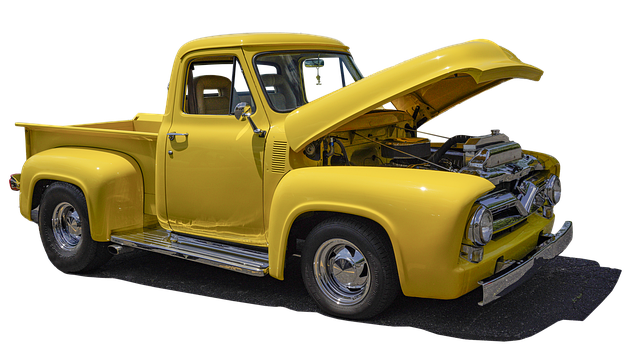
Locating your vehicle’s Vehicle Identification Number (VIN) verifier is a crucial step in the car registration process in California. The VIN is a unique code that identifies your car, and it plays a critical role in ensuring accurate registration and titling. Many California residents opt for convenient mobile vin inspection or a mobile vin verifier to streamline this task. This approach allows you to obtain the necessary information from the comfort of your home or office, saving time and effort.
To initiate the process, ensure you have access to your vehicle’s VIN. Typically, it’s located on a plate attached to the driver’s side door frame or on the dashboard near the window. Some models may also display it on the console or under the hood. Once you’ve found the VIN, verify its authenticity using a trusted mobile vin verifier. These tools cross-reference your VIN with national databases to confirm its validity and history, including any previous owners or accidents reported. This step is essential as incorrect or falsified information can lead to registration delays or issues.
California’s Department of Motor Vehicles (DMV) recommends utilizing approved mobile vin inspection services for their convenience and reliability. These services often provide instant results, enabling you to proceed with confidence. When selecting a provider, look for those that offer secure and accurate data reporting, adhering to industry standards. Some reputable options include certified mobile inspectors who can physically inspect your vehicle and provide detailed reports, ensuring every detail aligns with the VIN. By combining these steps—identifying your VIN and employing a reliable vin inspection service—you’re well on your way to successfully registering your car in California.
Gather Evidence of Insurance and Title Ownership

Registering a car in California involves meticulous steps to ensure legal compliance and smooth transactions. One critical phase is demonstrating insurance coverage and establishing ownership through proper documentation. This process requires gathering concrete evidence of both your vehicle’s insurance status and its legal ownership, which serves as a foundational step before proceeding with registration.
Evidence of insurance includes verifying that your auto insurance policy covers the vehicle in question. This involves providing details about the policy, including the insurer, policy number, coverage limits, and any specific exclusions or endorsements. Many California insurers offer digital access to policies, making it easier to share these records during the registration process. For those with physical policy documents, digitizing them through a mobile vin inspection tool can streamline the sharing process, ensuring all relevant parties have immediate access to your insurance verification.
Title ownership documentation is equally crucial. You’ll need proof of ownership, usually in the form of a vehicle title or bill of sale. If you’ve recently purchased the car, ensure that the seller provides a clear title without any liens or outstanding issues. In some cases, utilizing mobile vin verifiers can aid in verifying ownership by checking the vehicle’s history and identifying any previous owners or potential encumbrances. This technology offers a convenient, efficient method for both insurance companies and registrants to confirm key details before finalizing registration.
Before submitting your application, double-check that all insurance and title documents are current and accurately reflect your vehicle’s information. The California Department of Motor Vehicles (DMV) may request these documents as part of their verification process. Having them readily available demonstrates your preparedness and ensures a smoother registration experience.
Complete the Registration Process: Step-by-Step Guide
To complete the registration process for your vehicle in California, follow these meticulous steps. Firstly, gather all necessary documents, including your vehicle’s registration form, proof of insurance, and a valid driver’s license. Ensure that your vehicle has passed the required emissions test and has a current smog certificate. Next, visit the California Department of Motor Vehicles (DMV) website to determine if you qualify for an online registration renewal, which can streamline the process significantly.
If eligible, initiate the online registration by entering your vehicle’s details, such as the make, model, year, and VIN (Vehicle Identification Number). The DMV will then perform a mobile vin inspection or mobile vin verification to ensure the accuracy of the provided information. This step is crucial for verifying ownership and preventing fraud. Once validated, you’ll be prompted to upload any required documents and submit the application.
For those not eligible for online registration, visit your nearest DMV field office. Bring all necessary documents and proof of identification. A DMV representative will process your application, perform a visual inspection of your vehicle, and may require additional documentation if discrepancies are found. After approval, you’ll receive your new registration papers, and your vehicle will be officially registered in California.
By meticulously preparing the required documents, understanding the eligibility criteria, locating your vehicle’s VIN verifier, and gathering evidence of insurance and title ownership, you are well-equipped to navigate the car registration process in California with confidence. This article has empowered you with essential knowledge, guiding you step by step from document preparation to completion of the registration. Leveraging the VIN verifier is a critical component, ensuring accuracy and security throughout. Armed with these insights, you can successfully register your vehicle, complying with California’s regulations and safeguarding your investment.